
Take Ten: Visits of American Interest
Family-Finding Old World Connections across the Counties
We rarely go exploring in Britain with the idea of pursuing American history. It should hardly be surprising, though, to find American connections in almost every village and market town. If you happen to be in the neighborhood, here are 10 great visits that in one form or another played their part in American history from the first Atlantic exploration to the last century.
1. BRISTOL
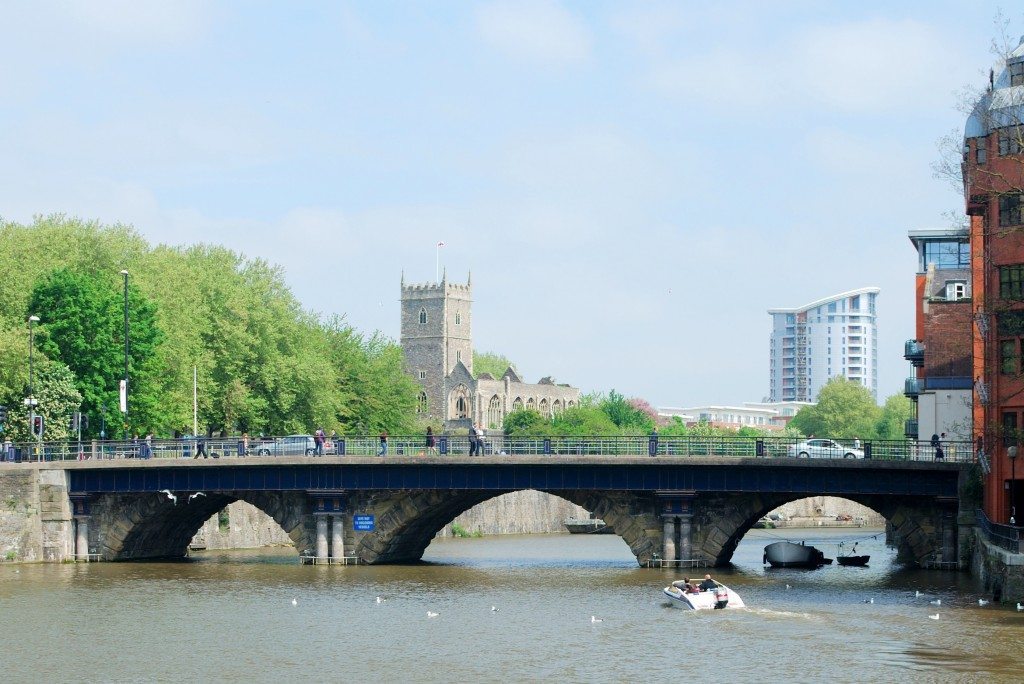
The first English explorer of North America, John Cabot sailed the Matthew out of Bristol in 1497. Both 17th-century colonial settlers and trade with the colonies flowed through Bristol’s still-fascinating harbor. Visit the replica Matthew and Brunel’s S.S. Great Britain.
www.visitbristol.co.uk
2. PLYMOUTH
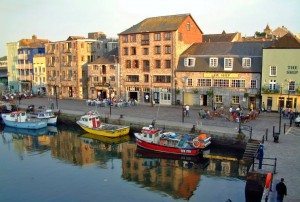
The Barbican is old Plymouth’s historic waterfront. Amidst the shops and eateries around the harbor, visit the Mayflower Steps, where the Pilgrim congregation bid farewell to England. Unfold Plymouth’s adventurous maritime past at the Mayflower Museum.
www.visitplymouth.co.uk
3. ST. BOTOLPH’S CHURCH, BOSTON
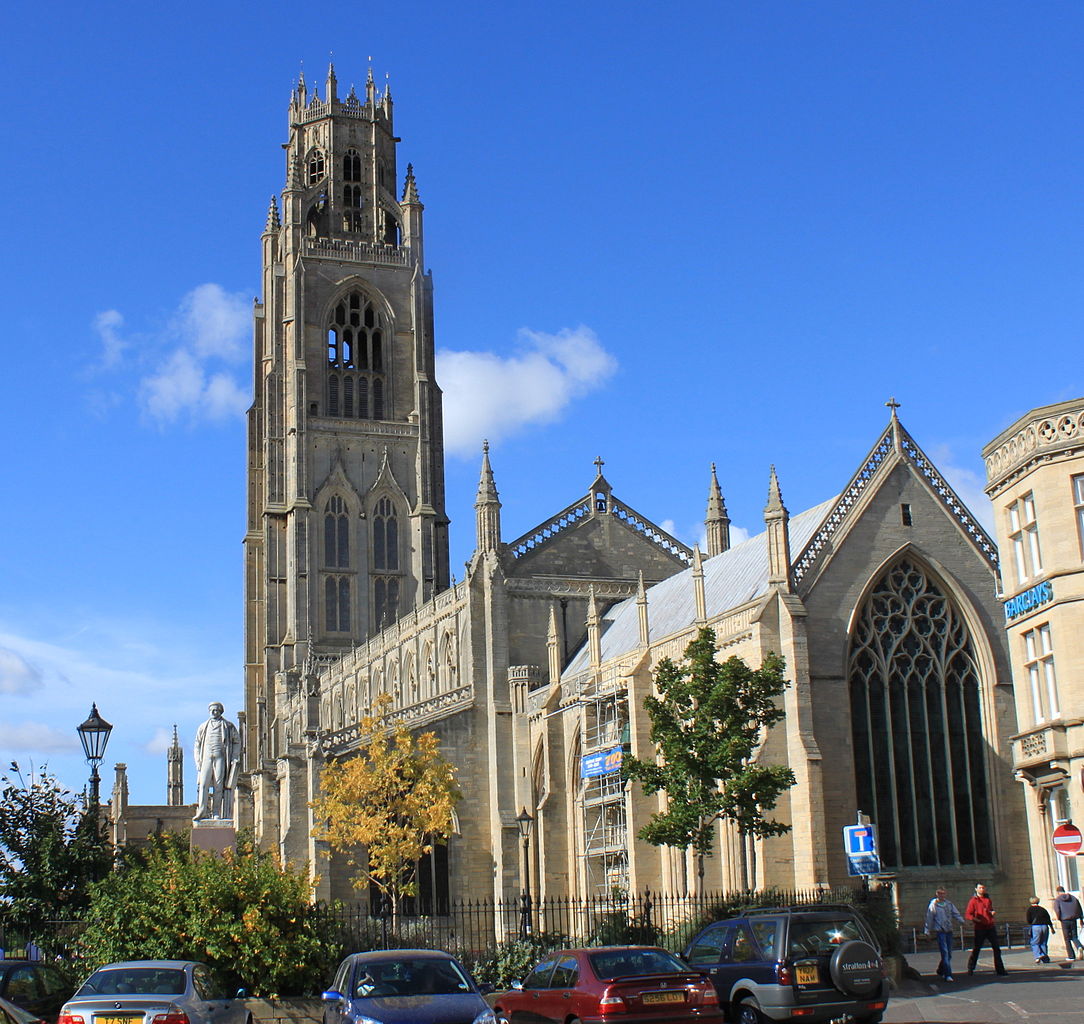 Popular Puritan rector John Cotton inspired the 1630 exodus to Massachusetts Bay led by John Winthrop. Cotton and more than a third of Boston’s population followed. Both church and town contributed much to early New England settlement.
4. GLASTONBURY PILGRIMAGE
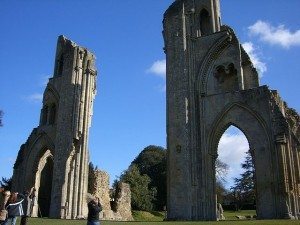
Begun in 1924, on a June Saturday the ecclesiastical pilgrimage is a colorful church procession and service in Glastonbury Abbey’s church ruins, at what is perhaps Britain’s oldest Christian site. Devout gather from across England, and the world.
5. JORDAN, BUCKS
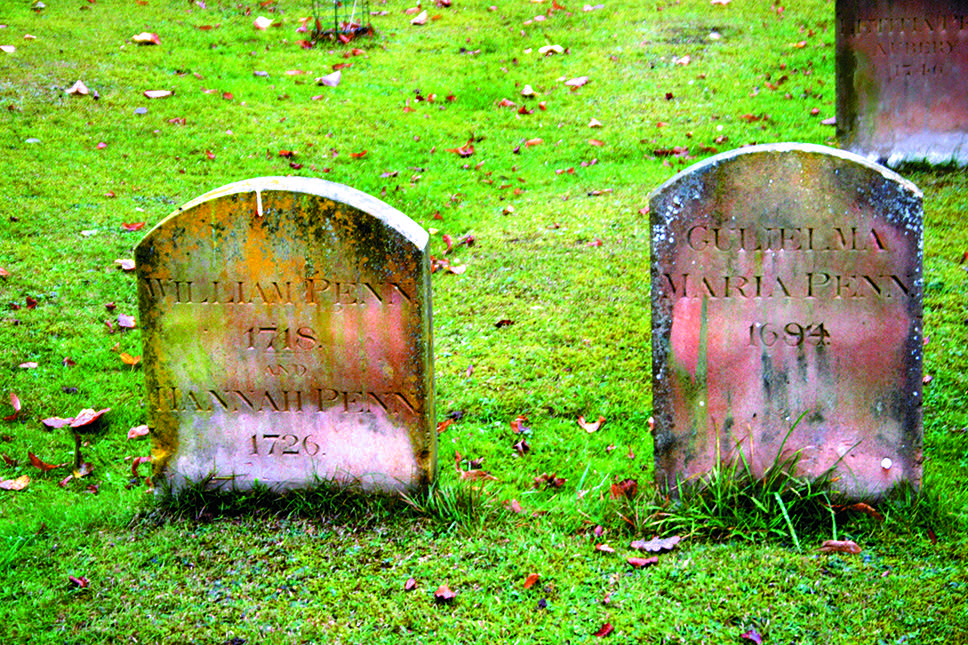 William Penn, his two wives and many children lie in the Burial Ground of the 17th-century Meeting House. The Quaker leader conceived and directed the formation of Philadelphia and the Pennsylvania colony (which was actually named after his father.
www.wokingquakers.org/background/centres/jordans
6. BENJAMIN FRANKLIN HOUSE
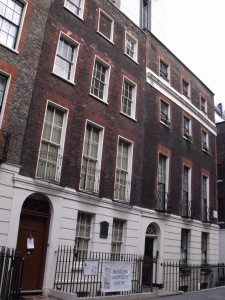
The home near Trafalgar Square that Franklin occupied from 1757-1775 while representing the interests of the Colonies in London is the only residence of Franklin’s still standing. Now a museum of the colonial stateman’s life and work, it does a wonderful job enhancing visitors’ understanding of our multitalented diplomat.
7. SULGRAVE MANOR, NORTHHAMPTON
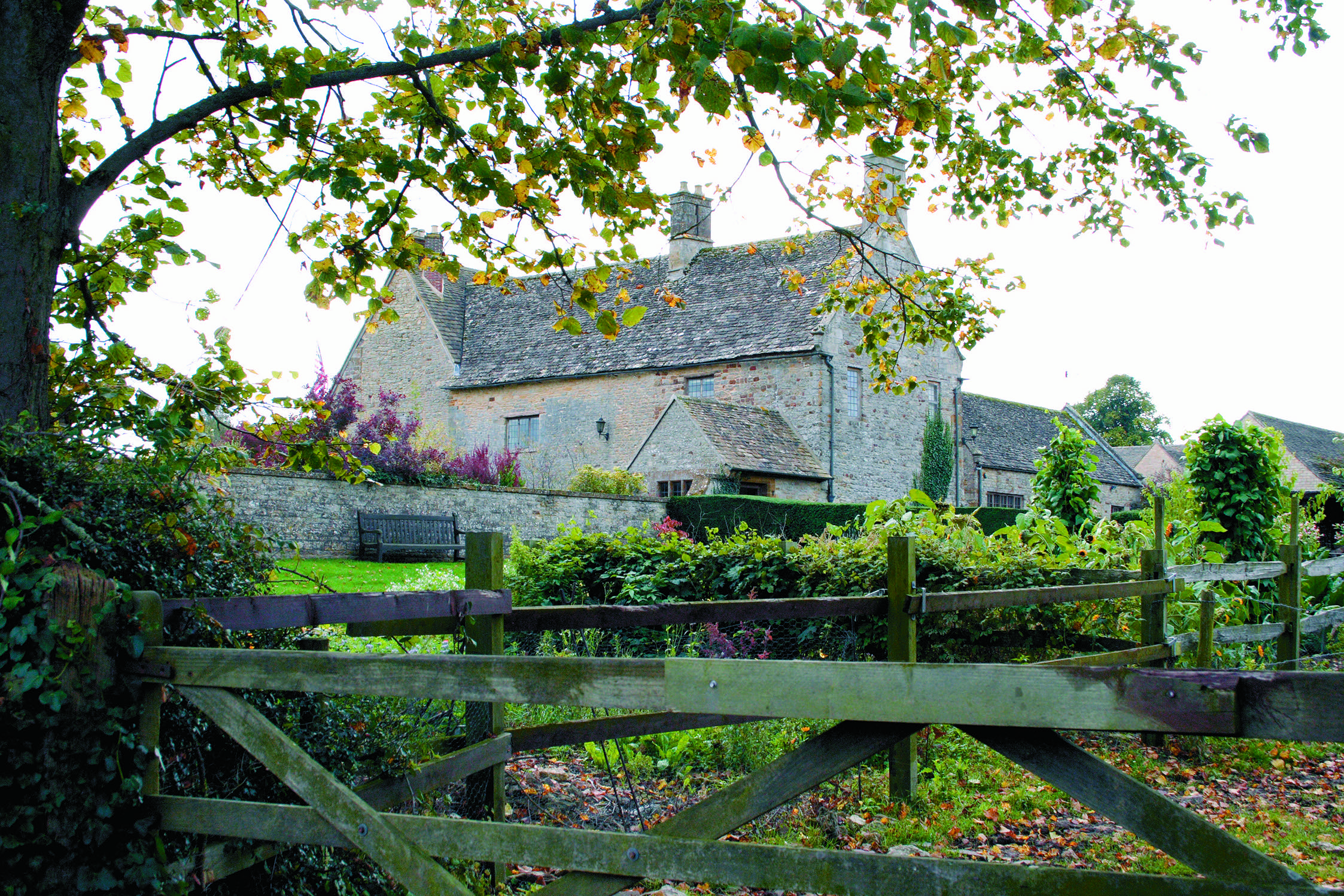 The Tudor manor house was the ancestral home of George Washington’s family. Built by Lawrence Washington in 1539, the house became the seat of a prosperous family. Five generations later, in the 1650s John Washington made his way to Virginia.
8. ALBERT DOCK, LIVERPOOL
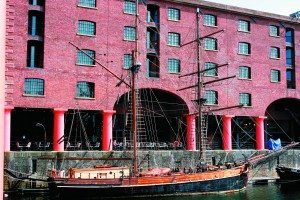 In the 19th century, Liverpool was the principal embarkation port for northern English and Scots leaving for America. More than 5 million people found passage across the Atlantic. The Merseyside Maritime museum, ships and quays tell the story brilliantly.
9. MADINGLEY AMERICAN CEMETERY, CAMBRIDGE
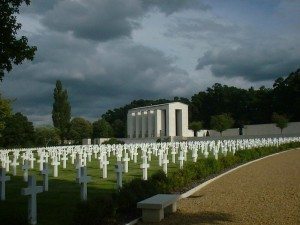 The rows of white crosses and stars spread across the cemetery just outside Cambridge mark the graves of 3,812 American servicemen of World War II, who died in the air and on the airfields of East Anglia. There is a visitors’ center and a very evocative memorial chapel.
www.madingleyamericancemetery.info
10. AMERICAN AIR MUSEUM, DUXFORD
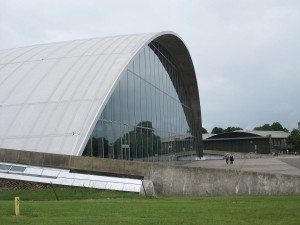
At the Imperial War Museum, on a former World War II East Anglian airfield, Europe’s largest collection of historic U.S. warplanes remembers the 30,000 airmen killed in the war. The huge hanger contains all the classics: B17, B24, P47 and B25.
www.americanairmuseum.com
And as a bonus…
AMERICAN MUSEUM, BATH
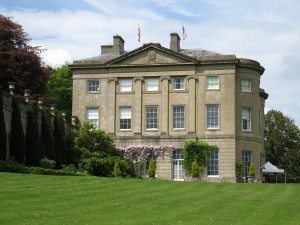
The museum at Calverton Manor on the hills above Bath makes a fascinating visit, replete with Conestoga wagon. American decorative and folk arts form the centerpiece—interpreting the American cultural melting pot for a British audience.
www.americanmuseum.org