
British Heritage
Travel
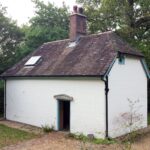 “An earthly paradise” was T.E. Lawrence’s phrase for Clouds Hill, the 1808 Dorset cottage he bought with five acres for £450 in 1929 and the only house he ever owned, and the National Trust reopens it from 27 March 2027
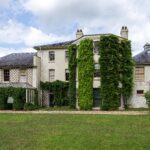 “Ugly” was Darwin’s word for Down House in a letter to his sister in July 1842, and he lived there forty years, wrote On the Origin of Species and used the gardens as an open-air laboratory until his death in 1882
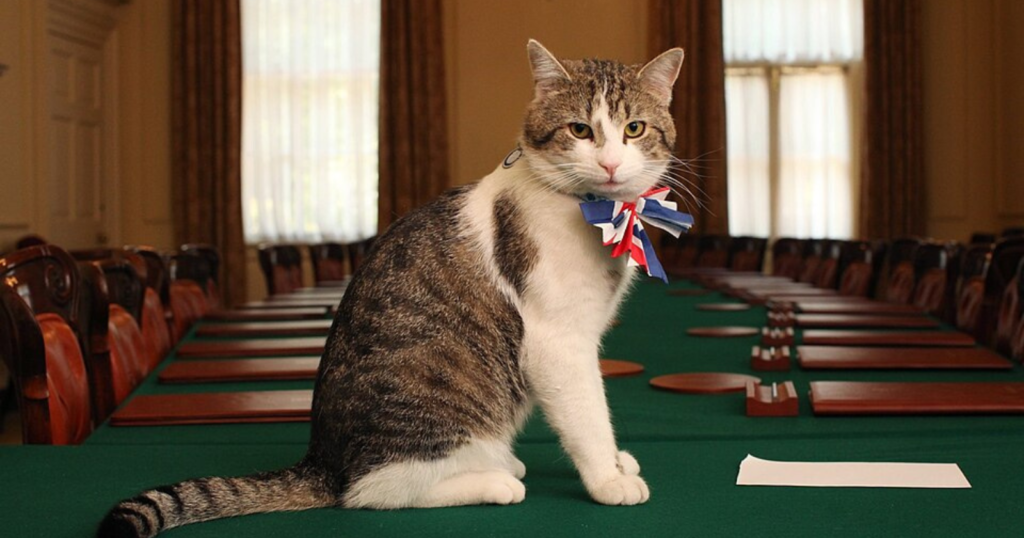 History Larry, a stray tabby adopted from a London shelter, moved into 10 Downing Street in 2011 to deal with a rodent problem; 15 years later, he has outlasted six prime ministers and is now serving under his seventh
Royals
 In 1801, Queen Charlotte had Frogmore Cottage built in the grounds at Windsor for £450. In 2020, Prince Harry paid £2.4 million toward the cost of renovating it, and in 2023 he and Meghan were told to move out.
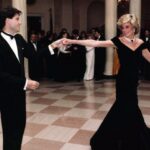 In 1985, Princess Diana danced with John Travolta at the White House in a gown by the London designer Victor Edelstein. 34 years later, Historic Royal Palaces bought the dress for £264,000
The latest
 HistoryCarrots won’t help you see in the dark; Britain spread that idea during World War II to explain how RAF night fighter John “Cat’s Eyes” Cunningham kept finding German bombers, when his real secret was a new airborne radar
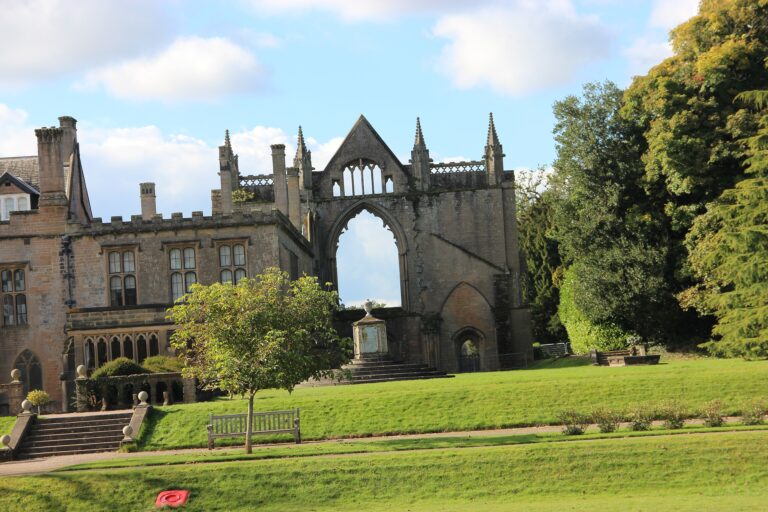 HistoryIn 1818, Thomas Wildman paid £94,500 for Newstead Abbey, the crumbling Nottinghamshire seat his old Harrow schoolfellow Lord Byron had to sell to clear his debts; today Nottingham City Council owns itThomas Wildman's £94,500 bid for Newstead Abbey was accepted in December 1817, and Byron signed the deeds on 11 November 1818; the city owns it now.
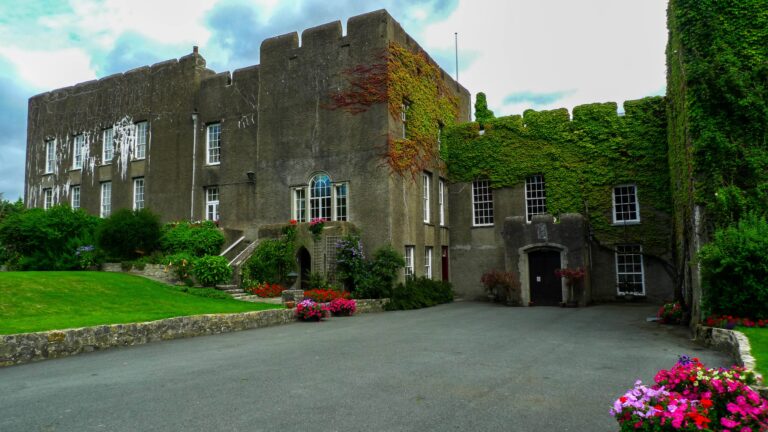 History79 holiday lodges, bell tents and a 350-space car park have been approved for Fonmon Castle in the Vale of Glamorgan, subject to an outstanding legal agreement, after the Grade I-listed estate said it can’t pay for its own upkeep without themVale of Glamorgan councillors resolved to approve 79 lodges, bell tents and a 350-space car park at Fonmon Castle, subject to a Section 106 agreement.
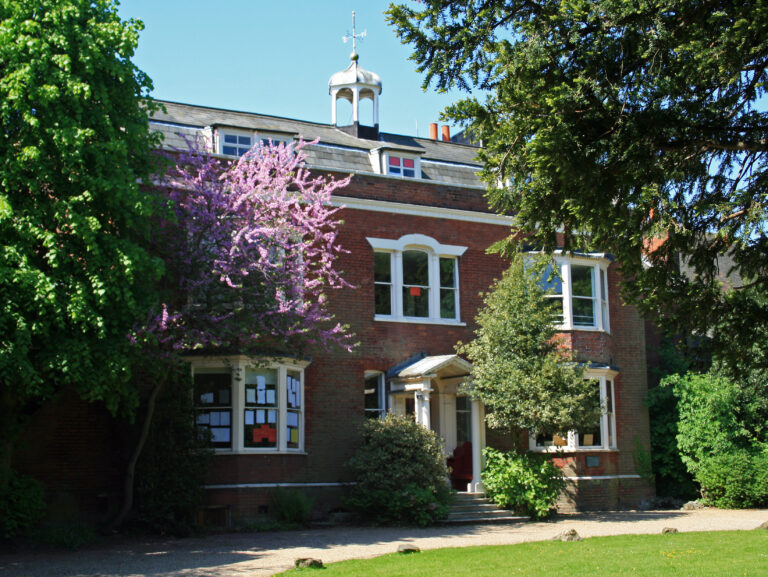 HistoryIn 1856, Charles Dickens paid £1,790 for Gad’s Hill Place, the Kent house his father had told him he might own one day if he worked hard; he died there in 1870, and today it’s a schoolDickens paid £1,790 for Gad's Hill Place in March 1856, the Kent house his father had pointed out to him as a boy; he died there in 1870. It is now a school.
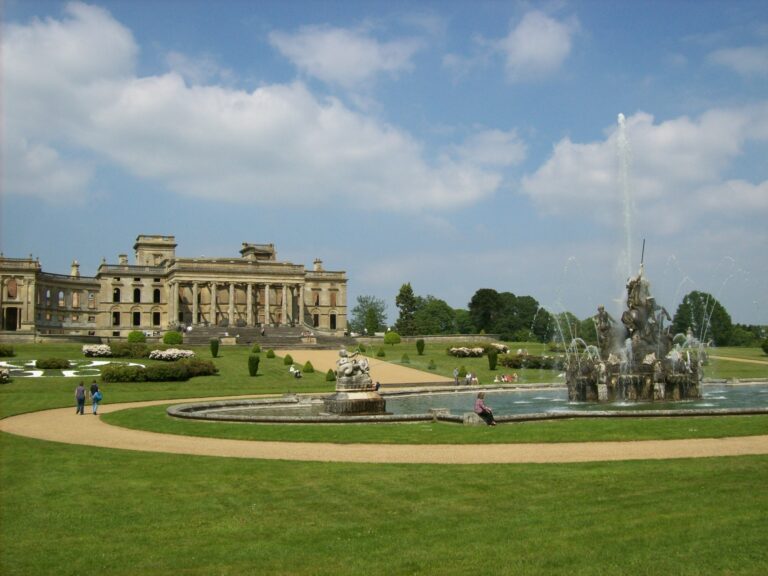 HistoryDrones flying over Witley Court in this summer’s heatwave picked out the outlines of lost Victorian flowerbeds around its Perseus and Andromeda fountain, and English Heritage is now recreating them at the mansion gutted by fire in 1937Drone images taken over Witley Court in the summer heatwave revealed some of the outlines of lost Victorian flowerbeds, with planting due to start next year.
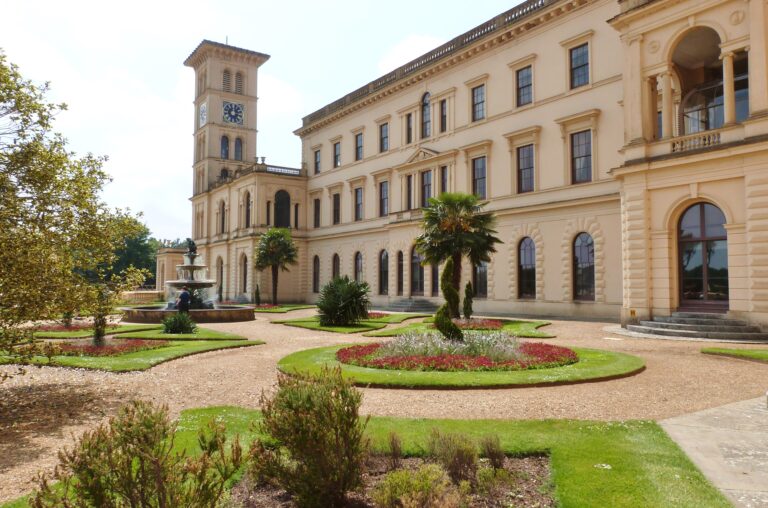 HistoryIn 1845, Queen Victoria and Prince Albert paid £28,000 for Osborne, a Georgian house on the Isle of Wight, then pulled it down and built an Italianate palace; after she died there in 1901, Edward VII gave it to the nationEnglish Heritage records that Victoria and Albert paid £28,000 for Osborne in May 1845, demolished the old house in 1848 and built an Italianate palace.