
Bristol’s 600-year-old Ashton Court Mansion is a step closer to being saved after councillors backed a 125-year lease, but its trust has raised only about £125,000 of the £480,000 it needs
Bristol councillors have backed a 125-year lease for Ashton Court Mansion, but the trust's share offer has raised £125,000 of the £480,000 minimum.
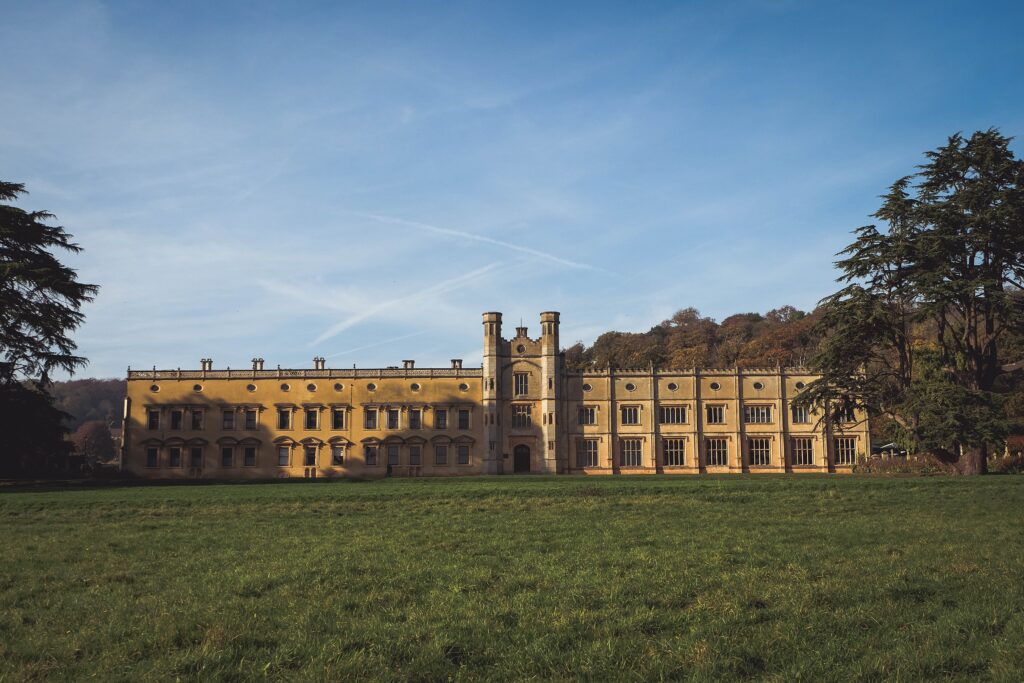
Bristol councillors voted on Monday 16 November to support a 125-year lease of Ashton Court Mansion to the Ashton Court Mansion Trust (ACMT), a first step towards restoring the Grade I listed building. The lease has been backed, not signed.
The trust is raising money through a community share offer that opened on 21 October. Simon Cook MBE, chair of ACMT, said on 16 November that the offer had raised £125,000 in three weeks. The offer document sets a minimum target of £480,000, an optimum target of £500,000 and a maximum of £550,000.
Much of the mansion has remained inaccessible to the public for many years. The council said the decision paves the way for the trust to progress its plans to rescue, restore and reimagine the building, and that delivering those plans depends on a successful share offer alongside further fundraising for the phased restoration.
Councillor Tony Dyer, Leader of Bristol City Council, said: “This is a hugely positive moment for Ashton Court Mansion and for Bristol. For many years there has been a shared ambition to see this remarkable building restored and returned to full use, and this decision marks an important step towards making that ambition a reality.”
What councillors backed on 16 November
Council officers and the trust spent the past year developing arrangements that support the charity’s objectives inside the mansion and its immediate surroundings while maintaining public access to the wider formal gardens. That package went to committee on 16 November, and the council’s statement was published at 17:02 the same day.
Ashton Court is already familiar to many visitors: a guide to things to do in Bristol notes the Courtyard Café on the historic estate, and the International Balloon Fiesta has used it as a launch site since 1979, one of the reasons often given for a trip to the city.
The council said that once signed, the lease will provide the long-term certainty needed to support fundraising, attract investment and enable a phased programme of restoration, opening more of the building for public use over time. The formal lease has still to be signed.
Dyer said the mansion “is one of Bristol’s most important historic landmarks. It has played a significant role in our city’s story, as well as my own, and deserves a future that matches its importance.” He said the trust’s work “creates an opportunity to safeguard a nationally important heritage asset, and create a place that once again plays a full role in the cultural, community and economic life of our city.”
£480,000, £500,000 and the £375,000 still to find
The money from the share offer is working capital. The council said it will pay to operate the building and deliver the trust’s charitable programme during the early years once the lease is signed; the offer document adds that a small amount goes to the trust’s trading subsidiary. It is not the fund for the building works, which will be sought separately and spent over many years.
Cook said on 16 November: “In just three weeks, our community share offer has raised £125,000, reaching 25% of our £500,000 target. That is a fantastic response, but we still need to raise the remaining £375,000 to provide the working capital needed to operate the building and build the charity that will deliver both community benefit and restoration of the building.”
The two figures are not the same yardstick. The 25 per cent Cook gave is measured against the £500,000 campaign target. The offer document describes £480,000 as the minimum capital requirement, and Bristol247 on 17 November put the running total at “more than £125,000 out of a target of £480,000”. If the trust does not raise £480,000 through community shares, it may seek to make up the shortfall through other funding, including grants, donations or philanthropic contributions.
Shares start at £100 and no member may hold more than 10 per cent of the total issued share capital. They are withdrawable community shares that cannot be sold, traded or transferred between members, and every member has one vote however many shares they hold. The business plan assumes no interest being paid for 20 years, and the trust says it will not be able to accommodate withdrawals of community share capital for at least 20 years. The offer closes on 31 December 2026, and trustees may extend it by a further six months.
Cook said: “The council’s vote of support is an important first step. We now need residents and businesses to help turn these plans into reality, whether by buying community shares, making a donation or encouraging others to get involved.”
A 14th-century core and a programme through Christmas
The oldest part of the current mansion dates from the 14th century. The Smyth family acquired the estate in the 1600s, and successive generations extensively remodelled and extended the house. Bristol247 describes the building as dating back some 600 years.
Work inside has already started. Over the past year the trust has redecorated the Great Hall, the Bar Area and the Music Room and laid new carpeting, and it has built up a programme of events running through Christmas 2026 and into 2027. Funding applications for significant restoration works are progressing, including proposals connected to the mansion’s Long Gallery and a wider heritage conservation programme.
The trust’s stated vision is a building where people can cook, learn heritage skills, take part in creative activities, enjoy performances and come together for community events, with further spaces becoming available as restoration progresses.
Cook also used the 16 November statement to credit the trust’s founder: “We would particularly like to pay tribute to the Trust’s founder, Norman Routledge, who was the catalyst for the work to date and the decision made today.”