
Ian Fleming wrote every James Bond novel at the Jamaican beach house he built on an old donkey racetrack, and after his death it was sold to Bob Marley, who passed it on a year later to the record boss who made him famous
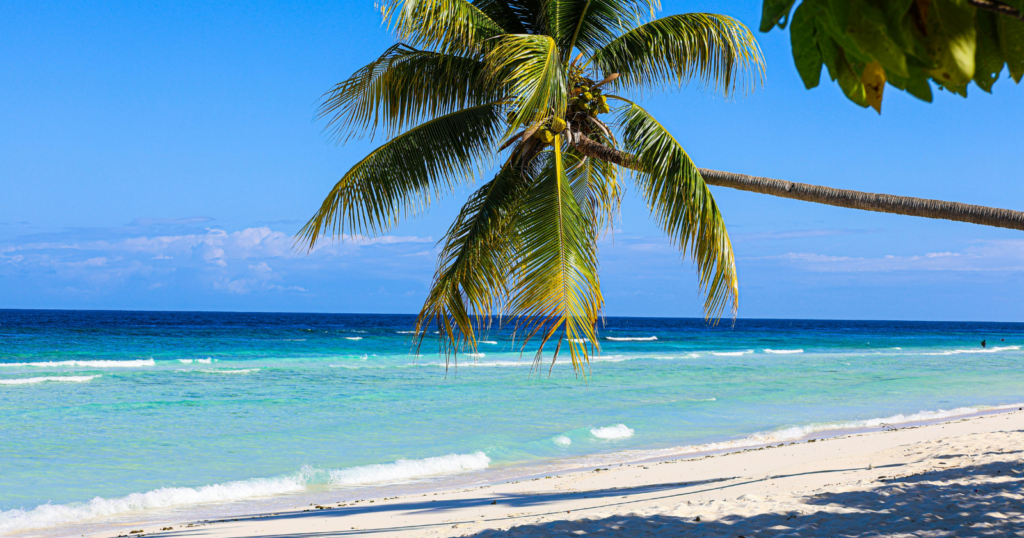
Every January, as London turned grey and cold, Ian Fleming left Britain for the north coast of Jamaica. At a simple house on a cliff above a small private beach, he would swim in the morning, sit down at his typewriter, and produce around 2,000 words a day.
Over 12 winters, those mornings produced James Bond. Fleming named the house GoldenEye, and it went on to have one of the most unusual ownership histories of any home in the Caribbean.
A naval officer finds his paradise
During the Second World War, Fleming worked for British naval intelligence. In 1942, he travelled to Jamaica for a conference on the threat from German U-boats in the Caribbean, and fell in love with the island.
He returned in 1946 and found 15 acres of overgrown land for sale near the banana port of Oracabessa Bay. It had once been a donkey racetrack. Fleming bought it and named the property GoldenEye, after a wartime intelligence plan he had worked on.
A deliberately simple house
Fleming designed the house himself, and he didn’t want it to be grand. It had a few bedrooms, large windows with no glass, wooden shutters and a sunken garden leading down to a small beach and coral reef.
He spent each winter there, usually from January to March. GoldenEye became a social hub on Jamaica’s north coast, visited by friends including the playwright Noël Coward, who built his own home, Firefly, nearby.
Where Bond was born
In early 1952, shortly before his marriage, Fleming began writing his first novel at GoldenEye. Casino Royale was published in 1953, introducing the world to James Bond, a British secret agent with a taste for danger and luxury.
Fleming went on to write every Bond book at GoldenEye: 12 novels and two collections of short stories. Jamaica also appears in several of them, including Dr. No and Live and Let Die, and the first Bond film, Dr. No, was shot on the island in 1962.
After Fleming’s death
Fleming died in England in August 1964, aged 56. GoldenEye stayed in the family’s hands for more than a decade. It went up for sale in 1976.
Accounts of what happened next differ. Many sources say Bob Marley bought GoldenEye in 1976 and sold it a year later to Chris Blackwell, the founder of Island Records, who had signed Marley and helped make him an international star. But Blackwell has given a different version. He has said that he suggested Marley buy the house because he didn’t have the money himself at the time, but that Marley decided it was too posh and backed out, so Blackwell bought it instead.
Blackwell’s GoldenEye
Blackwell’s connection to the house went back further. His mother, Blanche Blackwell, was a close friend of Fleming and lived nearby. She loved swimming at GoldenEye, and Blackwell has said she asked him to buy it so she could keep enjoying it.
As a young man, Blackwell had also worked on the film Dr. No as a location scout, at Fleming’s suggestion. He went on to build Island Records into one of the most important labels in the world, releasing records by Bob Marley and the Wailers, U2 and many others.
From hideaway to resort
For years, Blackwell used GoldenEye mainly as a place to relax and entertain. In the 1990s, he began turning it into a hotel, adding villas, cottages and beach huts around the lagoon while keeping Fleming’s original house.
Today, GoldenEye is a luxury resort, and guests can stay in Fleming’s villa and even write at the desk where Bond was created. The old donkey racetrack in Oracabessa remains one of the most famous writing retreats in literary history.