
In 1978, EMI pulled out of Monty Python’s Life of Brian days before filming was due to start; George Harrison mortgaged Friar Park, the mansion he had bought from nuns, to pay for it because he wanted to see the film, and Eric Idle called it the most anyone has ever paid for a cinema ticket
EMI dropped Life of Brian two days before the crew was due to leave for Tunisia in 1978. George Harrison put up Friar Park to raise the money.
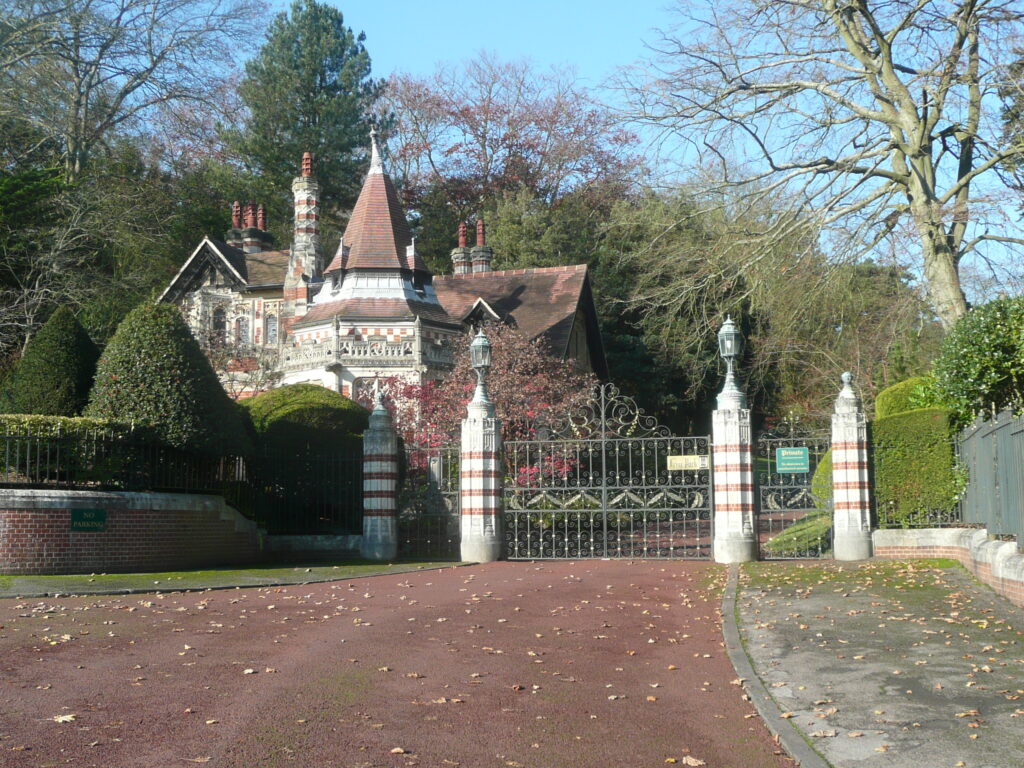
In 1978, EMI Films withdrew its backing for Monty Python’s Life of Brian two days before the crew was due to fly to Tunisia. George Harrison raised the money instead, putting up Friar Park, his Victorian mansion at Henley-on-Thames, as security. Asked why, he said he wanted to see the film.
The timing comes from Terry Gilliam. “They pulled out on the Thursday,” he told the Guardian in 2003, in a remark quoted by Gold Radio, and the crew had been due to leave on the Saturday. Lord Delfont, who ran EMI’s entertainment division, had finally read the script his company was paying for, and did not like it.
A call to the richest man Eric Idle knew
The Guardian’s account has Eric Idle telephoning Harrison, the richest person he knew. Harrison consulted his American business manager, Denis O’Brien, who suggested they finance the film themselves. Raising £2 million meant remortgaging Harrison’s mansion in Henley and O’Brien’s London offices, and the two men formed HandMade Films to do it.
The sum changes with the teller. The Guardian gives £2 million, the film’s budget is usually put at about $4 million, and Michael Palin, recalling the episode in 2019, said Harrison pledged his house and arranged a loan of $5 million. John Goldstone, the film’s producer, has put the loan at about $2 million, secured on Friar Park and covering half of a $4 million budget. Palin also supplied Harrison’s reason: “Because I want to see it.”
Idle’s verdict became the best-known line about the deal. He called it “the most anybody’s ever paid for a cinema ticket in history”, as Chortle records. Versions of the same joke have been credited to Terry Jones and to Harrison himself.
Jones, who directed the film, said he found out only years later, from Harrison, that the house had been on the line. He is quoted to that effect in Robert Sellers’s history of HandMade, cited by Showbiz Cheat Sheet, adding that he would have worried more had he known. Idle told Rolling Stone in 2018 that the film would not have been made but for Harrison mortgaging his house.
The mansion bought from nuns
Friar Park took its present form in the 1890s under the lawyer Sir Frank Crisp. In the early 1950s it passed to the Salesian Sisters of St John Bosco, who ran a convent school there, and Country Life records that Harrison bought it from the nuns in 1970. He paid £140,000 for a house in serious disrepair, leaving the Esher bungalow where the Beatles had taped demos for the White Album.
By 1978 he had spent eight years restoring it. That was the house he staked on a comedy about a man mistaken for the Messiah. It remains the home of his widow, Olivia, and the Henley Standard describes it as Grade II listed.
Filming started six months late
“Days before filming” is true of the schedule EMI abandoned, not of the shoot that happened. The Criterion Collection’s essay on the film says production began six months later, in the autumn of 1978, on sets near Monastir left over from the television series Jesus of Nazareth. Harrison appears briefly on screen as Mr Papadopoulos.
The gamble paid. On a budget of about $4 million the film took more than $20 million at the box office, by Gold Radio’s figures. HandMade went on to back The Long Good Friday, Time Bandits, Mona Lisa and Withnail and I.
It did not end well. The Guardian says HandMade ceased to exist in 1991 and that Harrison sued O’Brien in 1995, winning $11.6 million in damages. Friar Park, the collateral for the first film, outlasted the company.