
Canterbury Castle, the Norman keep shut in 2018 over falling masonry, has reopened for the first time in eight years, but only until the end of February, when it closes for four months of final building work that roosting bats have delayed to spring
Canterbury Castle's Norman keep is open free to the public until the end of February, before a four-month closure for the final stage of its restoration.
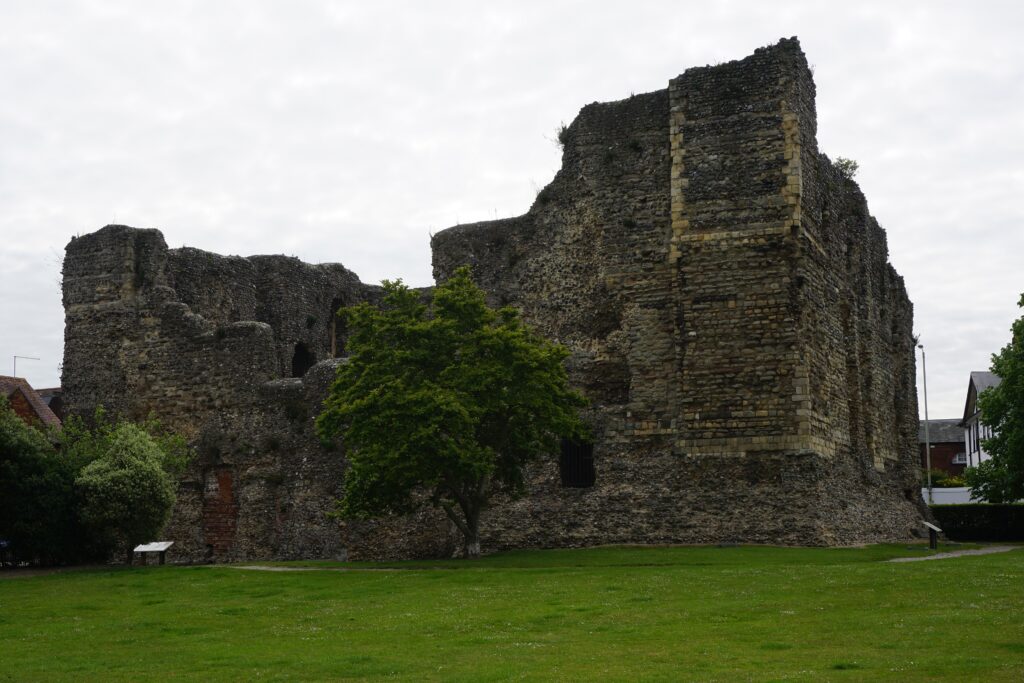
Canterbury Castle has temporarily reopened to the public for the first time since it closed in 2018, with free entry to the Norman keep and part of the grounds daily from dawn to dusk until the end of February. The site is locked overnight.
The council-owned castle shut eight years ago because of falling masonry and structural concerns. Specialist stonemasons have since carried out repairs to make it safe, part of a restoration project that will be fully completed in 2027.
Councillor Charlotte Cornell said, in comments reported by the BBC on 17 November: “This has been a real labour of love, checking each individual piece of stone and giving it the care and attention such an important, historic site requires.”
The opening is temporary. The site is open until the end of February so people can see work that has taken place, before the last stage of the scheme begins in the spring.
What is open until the end of February
Visitors can reach the keep and a section of the gardens near the Castle Street entrance. More of the grounds will open in the next few weeks, Canterbury City Council said.
Landscaping is continuing, with the aim of bringing back original features lost over the years, among them the castle wall. New written and digital interpretation has been added so visitors can understand more about the history of the site, including a set of augmented reality binoculars, KentOnline reported.
There is no admission charge during the temporary opening, and the gates are not ticketed or timed beyond the dawn to dusk hours. The reopening puts the keep back among the sights on any list of what to see and do in Canterbury, after eight years in which the public could only look at it from the street.
A day in the city has long included a walk along the walls for views of the castle remains. Until the end of February, visitors can now go inside the keep itself, free of charge.
Bats in the walls, and four months of final work
During the stonework investigations, bats were found roosting in the castle walls. Bat boxes have since been placed in the castle and in the surrounding trees.
No further work can take place on the keep until early spring, while the bats are hibernating. The castle will then close again for four months for the final part of the project.
That stage involves installing stairways, walkways and platforms around the keep. They are designed to bring visitors close to the features in the walls and up to views over the city from the top.
The roost has delayed those works to spring, and the four-month closure is the period set aside to build them. Once they are in, the castle is due to be ready to reopen fully in time for celebrations marking the 1,000th anniversary of William the Conqueror’s birth, celebrated across Europe as the Year of the Normans.
From Norman keep to county jail
Work on the castle started just after 1066, when Canterbury submitted to William the Conqueror and a simple motte and bailey structure was put up. The great stone keep that survives was constructed between 1086 and 1120.
The dating is not uniform across sources. The BBC and KentOnline both give 1086 to 1120 for the stone keep. Visit Canterbury says construction began around 1100 and was largely completed by 1120.
Visit Canterbury describes the keep as one of three royal castles in Kent, alongside Rochester and Dover. Roman fabric was incorporated into it, along with Quarr and Caen stone and reused flint, brick and squared facing stones.
Its importance fell away after Henry II built his new castle at Dover, and Canterbury Castle became the county jail. An order for repairs appears as early as the 1170s, and the damage the keep took over the centuries is relatively well documented.
The castle was besieged twice, once by the Dauphin Louis and then by Wat Tyler and his followers, who overwhelmed it. Canterbury City Council purchased the castle in 1928 after decades of neglect, and has owned it since.
The repairs of the past eight years dealt with the loose masonry that caused the 2018 closure, with the stonework checked piece by piece.
Until the end of February the keep and the open part of the grounds can be visited from dawn until dusk, free of charge. The gates then shut for four months of walkways, stairways and platforms, the last work before full completion in 2027.