
In 1980, Freddie Mercury bought a Kensington mansion on the spot the first time he saw it. He left it to his close friend Mary Austin, who kept it for more than 30 years before putting it up for sale in 2024 for over £30 million
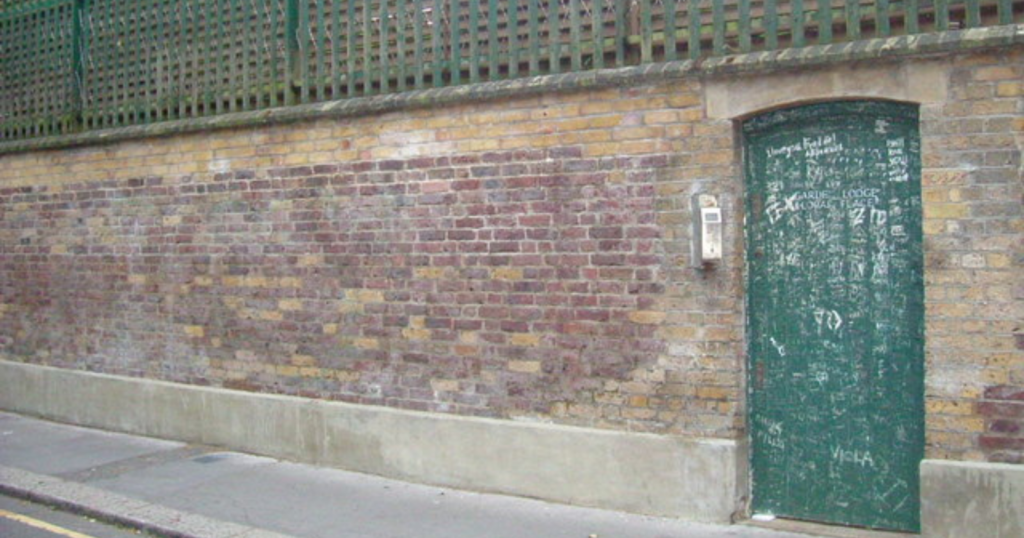
In 1980, Freddie Mercury and his close friend Mary Austin went to look at a house hidden behind a high brick wall on a quiet street in Kensington, west London. It had a large garden, tall windows and a feeling of privacy that was rare in the middle of the city.
Mercury decided almost immediately. He later said he fell in love with it and owned it within half an hour. The house, known as Garden Lodge, would become his home for the rest of his life.
A hidden house in Kensington
Garden Lodge sits on Logan Place, in one of London’s most expensive neighbourhoods. It’s a neo-Georgian brick house, built in the early 20th century, with a walled garden and an artist’s studio.
Mercury reportedly paid £500,000 in cash, a huge sum at the time. He called it his “country house in London,” a quiet retreat away from the noise of touring and fame. With eight bedrooms and an unusually large garden for central London, it offered space few city homes could match.
Making it his own
Mercury spent years renovating the house with interior designer Robin Moore Ede. He filled it with art, antiques and Japanese objects, reflecting his long fascination with Japan. The garden was redesigned with Japanese influences too, including a pond for koi carp.
The house became a private world. Mercury entertained friends there, kept several cats, and spent increasing time at home in his final years. It was also where he composed music, including on a Yamaha piano used to work on some of Queen’s best-known songs.
A gift to his closest friend
Mercury and Mary Austin had been in a relationship in the early 1970s, and they remained extremely close for the rest of his life. He described her as his best friend and the person he trusted most.
Mercury died at Garden Lodge on November 24, 1991, aged 45. In his will, he left the house and most of his possessions to Austin. She moved into the house and raised her two sons there.
Guarding the house for three decades
For more than 30 years, Austin kept Garden Lodge largely as Mercury had left it, preserving many of his belongings and much of his interior design. She rarely spoke publicly about the house and protected its privacy.
Outside, the house became a place of pilgrimage. Fans from around the world travelled to Logan Place to leave messages on the green wooden door in the garden wall. Over the years, it became covered in handwritten tributes, drawings and song lyrics.
Letting it go
In 2023, Austin decided to sell Mercury’s collection. A Sotheby’s auction of about 1,500 items raised close to £40 million. The piano sold for £1.7 million, and the fan-covered garden door sold for £412,750.
In early 2024, she put Garden Lodge itself on the market through estate agents Knight Frank, inviting offers of more than £30 million. The listing was kept private, and only buyers who could prove they had the funds were allowed to view the house, partly to keep curious fans from posing as purchasers.
Austin said she had always seen herself as its caretaker. With her sons grown and the collection sold, she felt it was time to move on.
Why the house still matters
Few celebrity homes hold such a personal story. Garden Lodge isn’t just a valuable property in Kensington. It’s where Mercury found the privacy he craved, and where one of the most famous friendships in music history played out.
The house also shows how quickly London property values have climbed. Over about 44 years, its asking price rose roughly sixtyfold, from £500,000 to more than £30 million.
For many fans, though, its real value lies elsewhere. It’s the place where Freddie Mercury could stop being a superstar and simply be at home.