
Sir David Attenborough has lived in the same Richmond house for more than 70 years. In 2009 he reportedly paid £1 million for the pub next door, which dated back to 1868, to stop it being turned into flats
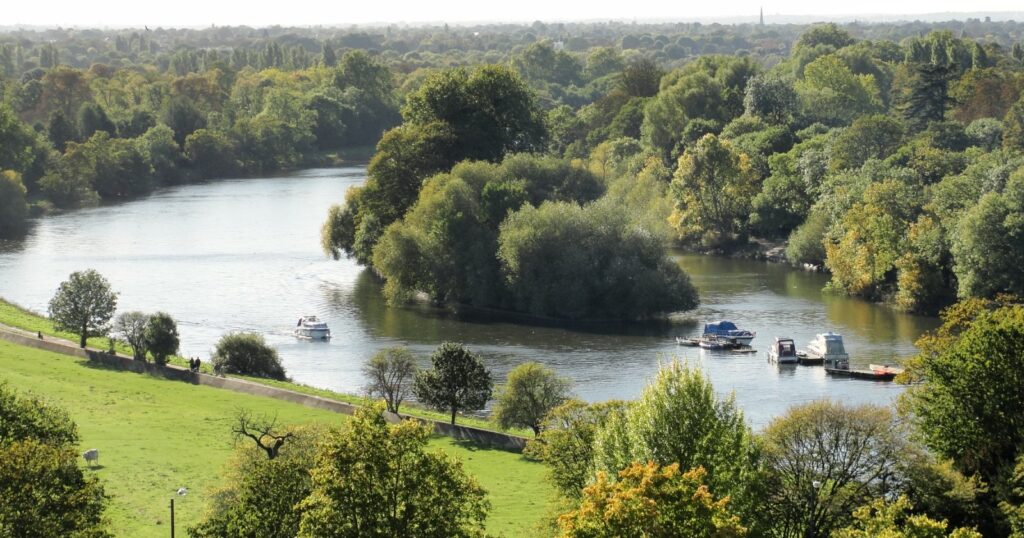
David Attenborough has lived in the same house in Richmond, London, for decades. The Morning Advertiser reports that he has been there since the 1950s, and that next door stood a small pub called the Hole in the Wall.
For decades, the pub was simply the place next door. Then it closed, and Attenborough bought it.
A pub that dated back to 1868
The pub had a long history of its own. The Campaign for Real Ale, CAMRA, says it dated back to 1868 and was known as the Park Road Arms in 1954. Its nickname, the Hole in the Wall, became its official name in 1967 after a rebuild by the brewer Ind Coope. CAMRA calls it a tiny pub, and notes it stood in the St Matthias conservation area as a building of townscape merit. It closed in 2006.
Why he bought it
Attenborough bought the empty pub in 2009. The Morning Advertiser, in a piece marking his 100th birthday in May 2026, reported that he paid “an alleged sum of £1m.”
His reason, according to the paper, was that he feared the old building would fall into disrepair or be redeveloped into flats.
The plan was to extend his home into the pub. CAMRA describes his plans for a wildlife-friendly outdoor space with an orchard, a glasshouse and a bog garden for marsh plants, and says he intended to keep the pub’s front.
The Morning Advertiser goes further, saying that according to reports he has since done just that, extending his house into the pub, preserving the facade and adding an orchard, fish pond and glasshouse.
What the builders found
The renovation turned up something nobody had planned for. In October 2010, workmen building an extension at Attenborough’s home dug up a human skull.
As noted by ABC, suspicion fell on the “Barnes Mystery,” a murder that had gripped London in 1879. Julia Martha Thomas, a 55-year-old widow who had lived at almost exactly the same spot as Attenborough, was killed by her maid, Kate Webster, a 29-year-old convicted thief and fraudster.
NBC News, citing the Independent’s account of evidence given at the inquest, reported that on March 2 that year Webster pushed Thomas down a flight of stairs and strangled her, then dismembered and boiled the body. She packed most of the remains into a box and threw it into the Thames, where it was later found near Barnes Bridge. The head and a foot didn’t fit, so she buried them in two different gardens. Webster was convicted and hanged, but the head was never found.
Investigators reviewed records of the murder alongside census records and radiocarbon testing. In July 2011, West London coroner Alison Thompson formally identified the skull as Thomas’s.
Chief Superintendent Clive Chalk of the Metropolitan Police called it “a good example of how good old-fashioned detective work, historical records and technological advances came together to solve the Barnes Mystery.” More than 130 years after the murder, the missing head had turned up next door to one of Britain’s best-known broadcasters.
The pub today
The Hole in the Wall hasn’t poured a pint in two decades, but the building is still there. Attenborough bought it, the Morning Advertiser says, to keep it from becoming flats, and without meaning to, helped settle a mystery that had been open for 130 years.