
Ospreys were wiped out in Britain by 1916. In 1954, a single pair from Scandinavia nested at Loch Garten in the Scottish Highlands; more than 2 million people have since come to watch them, and over 350 pairs now breed in the UK
In the spring of 1954, a pair of large brown-and-white birds built a nest of sticks at the top of a pine tree near Loch Garten, in the Scottish Highlands. To most passersby, they would have looked like any other bird of prey.
But they were ospreys, a species that hadn’t bred in Britain for nearly 40 years. Their arrival began one of the most famous wildlife comebacks in British history.
The fish hawk
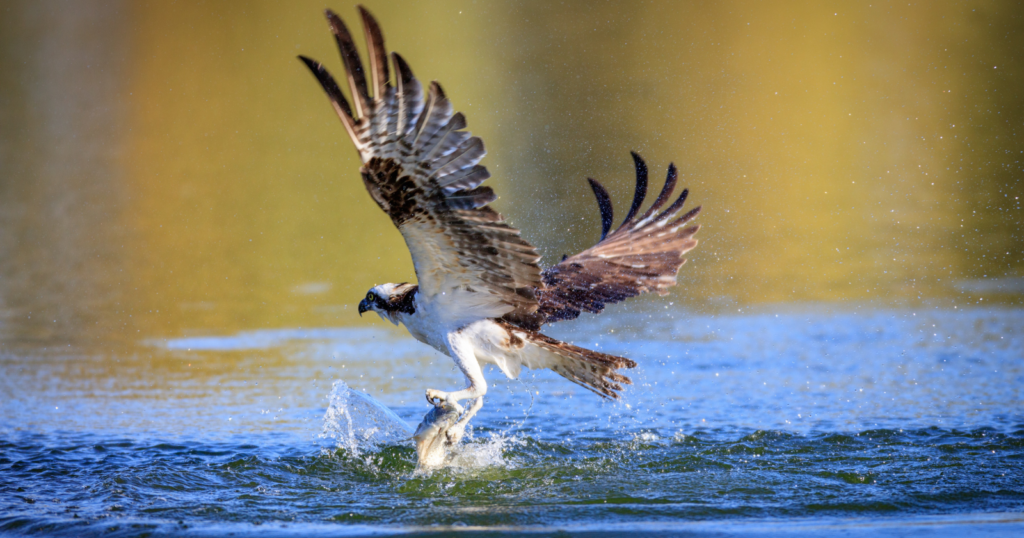
The osprey is a striking bird, with a wingspan of about 5 feet, a white underside and a dark stripe through each eye. It feeds almost entirely on fish. It hovers above lakes and rivers, then plunges feet-first into the water to grab its prey with long, curved talons.
Ospreys spend the summer breeding in northern Europe, including Scotland and Scandinavia. Each autumn, they fly thousands of miles to spend the winter in West Africa or southern Europe, returning to the same nest sites year after year.
How Britain lost its ospreys
Ospreys were once found across much of Britain. But in the 19th century, they were heavily persecuted. Gamekeepers and fishing estates shot them as pests, while collectors prized their eggs and stuffed specimens.
The last ospreys nested in England around 1840. In Scotland, they hung on a little longer, but by 1916 they were considered extinct as a British breeding bird. Ospreys from Scandinavia still passed through on migration, but none stayed to breed.
The pair that came back
In 1954, a pair of ospreys nested in Strathspey, near Loch Garten. They were widely believed to be Scandinavian birds that had stopped on their way north and settled. The pair successfully raised two chicks that year.
The return was fragile. In the following years, nests failed, and in 1958, an egg collector climbed to the Loch Garten nest and stole the eggs. In response, the Royal Society for the Protection of Birds launched “Operation Osprey,” a round-the-clock guard on the nest, with volunteers watching through the night.
Opening the nest to the public
In 1959, the RSPB made a bold decision. Instead of keeping the nest secret, it built an observation post so the public could watch the birds safely from a distance.
The idea was that public interest would help protect the ospreys. It worked. That first summer, about 14,000 people came to see them. In the 1970s, the site was attracting around 90,000 visitors a season, and the Loch Garten Osprey Centre has welcomed more than 2 million visitors since 1959.
A slow but steady recovery
Ospreys take years to mature and tend to return to familiar areas, so their recovery was gradual. By 1976, there were still only 14 breeding pairs in the UK. By 1991, there were 71, and by 2001, there were 158.
As numbers grew in Scotland, ospreys began spreading south. A pair settled in the Lake District in 2001, becoming the first to nest naturally in England in about 160 years. A reintroduction project at Rutland Water in the English Midlands helped establish a population there, with its first chick fledging in 2001. Ospreys have since returned to Wales, Northumberland, Yorkshire and the south coast of England.
According to the RSPB, more than 350 breeding pairs now nest across the UK, though most are still in Scotland.
Seeing ospreys today
The best time to see ospreys in Britain is between April and August, when they’re raising young. The RSPB’s Abernethy reserve at Loch Garten remains one of the best-known sites, set among ancient Caledonian pine forest in the Cairngorms National Park.
Other popular viewing spots include Rutland Water, the Lake District, Kielder in Northumberland and the Dyfi Osprey Project in Wales. Many sites run live nest cameras online, so you can follow the birds’ progress without disturbing them.
If you visit, bring binoculars, keep to marked paths and stay well back from nests. Disturbing nesting ospreys is illegal in the UK.
A lasting success story
The return of the osprey is often held up as proof that conservation can work. A species driven out by persecution came back on its own, and people chose to protect it rather than shoot it.
It also shows how much a single moment can matter. If that pair had not nested near Loch Garten in 1954, Britain’s ospreys might have taken much longer to return.