
In the 1980s, a woman paid £10 for a ring at a car boot sale in west London and wore it for 30 years thinking it was costume jewelry. In 2017 it turned out to be a 26-carat diamond and sold at Sotheby’s for £656,750
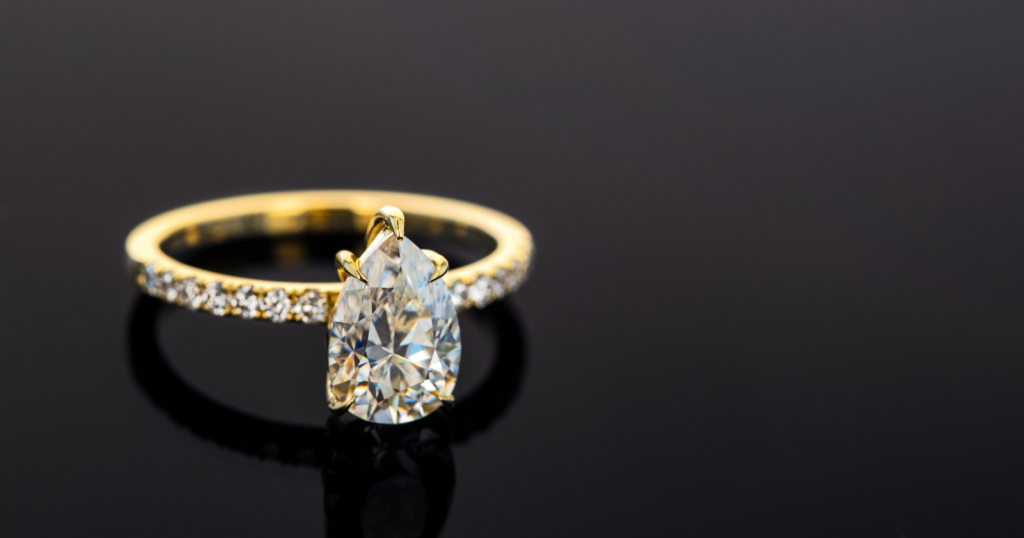
In the 1980s, a woman was browsing a car boot sale held at West Middlesex Hospital in Isleworth, west London. Among the bric-a-brac, she spotted a ring with a large, chunky stone in an old-fashioned setting. It cost £10.
She assumed it was a piece of costume jewelry. It looked far too big to be real, so she bought it, took it home and wore it for about 30 years, often every day. It was only when she finally had it checked that she discovered what she’d been wearing.
What’s a car boot sale?
A car boot sale is a very British institution. People pack unwanted items into the boot, or trunk, of their car and sell them from tables in a field, car park or school yard. It’s similar to a flea market or garage sale.
Most of what’s on offer is ordinary household clutter, from old books and clothes to kitchenware and toys. But regular visitors know there’s always a small chance of finding something valuable among the junk.
Why no one realised it was real
The ring didn’t look like a modern diamond. Its stone was cut in the 19th century, in an old style known as a cushion cut, with a softer, rounded shape. Older cuts were designed to show off a stone’s size and warmth, not the bright, flashing sparkle people associate with today’s diamonds.
The setting was also misleading. The stone sat in a silver mount that had tarnished, which made the ring look cheap. Sotheby’s jewellery specialists said that the combination of the old cut and the dull setting could easily trick people into thinking it was fake.
The big reveal
In 2017, the owner took the ring to Sotheby’s in London. Its specialists sent it to the Gemological Institute of America, one of the world’s leading diamond-grading laboratories.
The results were remarkable. The stone was a genuine diamond weighing 26.27 carats. It was graded I for colour, meaning it was near-colourless, and VVS2 for clarity, meaning any internal flaws were tiny and very hard to see, even under magnification.
Sotheby’s nicknamed it the “Tenner” diamond, after the £10 note it cost.
The auction
The diamond was offered in Sotheby’s Fine Jewels sale in London on June 7, 2017. The auction house estimated it would sell for £250,000 to £350,000.
Bidding went far beyond that. The ring sold for £656,750 including fees, nearly double the top estimate and around 65,000 times what the owner originally paid. The buyer was described only as a member of the international jewellery trade. The seller chose to remain anonymous.
How such a valuable diamond ended up on a car boot sale table remains a mystery. It may have been lost, sold off as part of an estate, or simply never recognised by an earlier owner.
Could you have treasure in your jewellery box?
Stories like this are rare, but they do happen. If you have old jewellery you’re unsure about, especially pieces that were inherited or bought second-hand, it can be worth having them checked.
Look for hallmarks, small stamped marks that show metal content and sometimes the maker or date. Then take the piece to a reputable jeweller or auction house for an opinion. Many offer free valuations for items that might be worth selling.
Avoid home “tests” like scratching glass or breathing on a stone. They’re unreliable and can damage the piece. Only a qualified gemologist or lab can confirm what a stone really is.
A reminder to look twice
The “Tenner” diamond’s story shows how easily value can hide in plain sight. An old-fashioned cut and a tarnished setting were enough to disguise a stone worth hundreds of thousands of pounds for decades.
It’s also a reminder of the charm of car boot sales. Most finds will always be modest, but every now and then, someone takes home something extraordinary for the price of a sandwich.