
In 1969, Eric Clapton bought an Italian-style villa in the Surrey Hills; five years later, Pattie Boyd left George Harrison and Friar Park to move in with him, and more than 55 years on, Clapton still calls it his sanctuary and has fought plans to rebuild the house next door
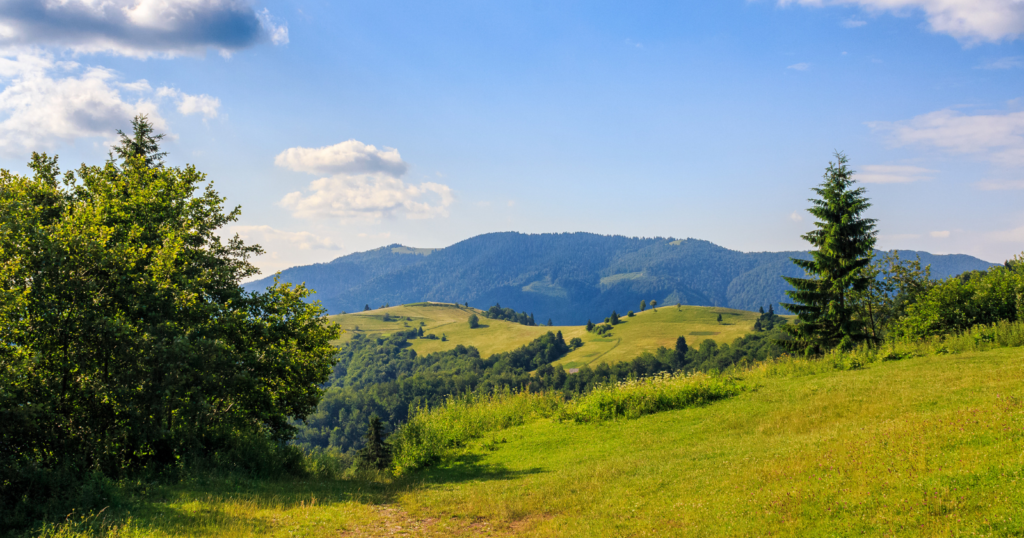
On a wooded hillside near the village of Ewhurst in Surrey stands a house that looks like it belongs in Tuscany. It has pale walls, rounded arches and terraces looking out over the Surrey Hills.
It’s called Hurtwood Edge, and it has been Eric Clapton’s home for more than half a century. It has also been the setting for some of the most famous and turbulent chapters in rock history.
An Italian villa in Surrey
Hurtwood Edge was built around 1910, designed by the architect Arthur Bolton in an Italianate style, with round-headed arches and windows inspired by Mediterranean villas. It sits in the Surrey Hills, an area of woodland and farmland about 35 miles southwest of London.
Clapton bought it in 1969, when he was in his mid-20s and already famous from Cream. He was looking for privacy and space away from London, and the secluded house offered both.
A love triangle between three friends
In the late 1960s, Clapton was close friends with George Harrison of the Beatles. He also fell deeply in love with Harrison’s wife, the model Pattie Boyd.
Harrison and Boyd were living at Friar Park, Harrison’s Gothic mansion in Henley-on-Thames. Clapton’s feelings for Boyd famously inspired the 1970 song Layla, recorded with his band Derek and the Dominos.
Pattie moves to Hurtwood
By the early 1970s, Boyd’s marriage to Harrison was in trouble. In 1974, she left Harrison and Friar Park and went to be with Clapton, eventually moving into Hurtwood Edge.
Remarkably, Clapton and Harrison stayed friends. Harrison even played at Clapton and Boyd’s wedding reception in 1979. The marriage didn’t last, though. Clapton’s struggles with alcohol, and their own difficulties, led to their divorce in 1989.
A place of retreat
Over the decades, Hurtwood Edge has been a constant in Clapton’s life. He has lived through difficult periods there, including addiction in the early 1970s, as well as recovery and family life later on.
He has made the estate increasingly private over the years. In the 2000s, he was involved in planning disputes with the local council over changes to his property, including a tennis court and pavilion designed partly to improve privacy.
The planning row next door
In 2025, Clapton found himself in another planning dispute. His neighbours, who had bought the property next to Hurtwood Edge in 2024, applied to demolish their house and replace it with a larger one, including a basement and an elevated terrace with large glass walls.
Clapton, then 80, lodged a formal objection. He described Hurtwood Edge as his sanctuary for more than 50 years, a place of retreat, peace and privacy. He argued the raised terrace and glazing would give the neighbours a clear view down into his private grounds, including his swimming pool, and that construction would bring noise and harm local wildlife.
Despite his objection, council planning officers approved the plans. The neighbours argued the new home would improve energy efficiency and wouldn’t stand out in the landscape.
Can you visit?
Hurtwood Edge is a private home and isn’t open to visitors. But the Surrey Hills around it are some of the most popular walking country near London, with paths through Hurtwood forest and up to nearby viewpoints such as Holmbury Hill and Pitch Hill.
Friar Park, the other house in this story, is also private. After Harrison’s death in 2001, it remained with his family.