
In 1966, Keith Richards bought a thatched, moated, centuries-old cottage in West Sussex for £20,000; months later, police raided it and he and Mick Jagger were sentenced to prison, but 60 years on, he still owns it
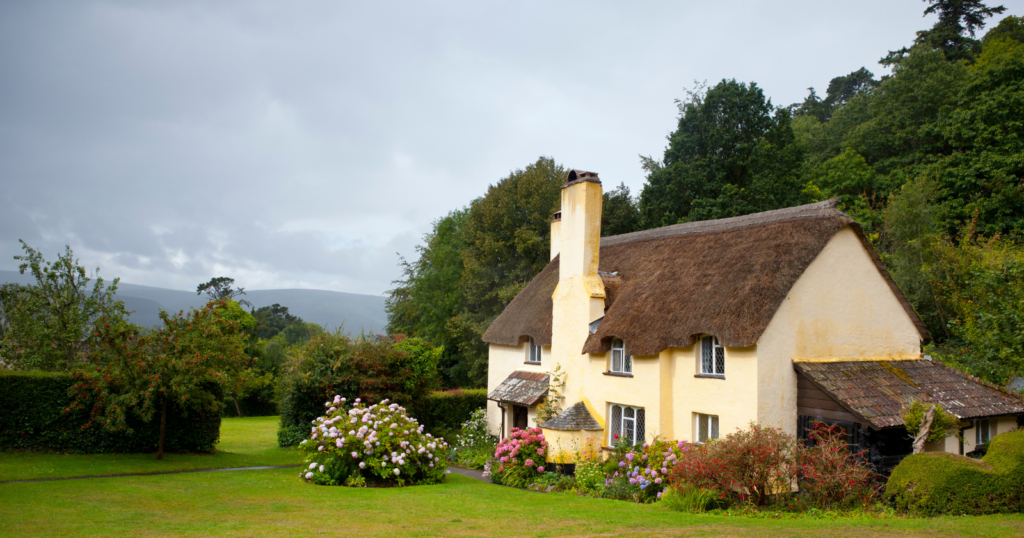
In 1966, Keith Richards was driving through the West Sussex countryside near Chichester Harbour when he took a wrong turn. He ended up on a private drive, facing a small thatched house surrounded by a moat.
He later wrote that he and the house “just spoke to each other.” The owner came out, and before long the 22-year-old guitarist had agreed to buy it. The house was called Redlands, and within a year it would be at the centre of one of the most famous scandals of the 1960s.
A quiet corner of Sussex
Redlands sits on the edge of West Wittering, a village close to the sea, known for its sandy beach and peaceful harbour. The house is several hundred years old, built of brick, flint and timber, with a thatched roof and a moat.
Richards reportedly paid £20,000, roughly £375,000 in today’s money. For a young rock star whose band had just broken through internationally, it was a retreat from London and the pressures of fame. He moved in with his dog, Ratbag.
The raid of February 1967
On the evening of 12 February 1967, Richards was hosting a weekend party at Redlands. Guests included Mick Jagger, his girlfriend Marianne Faithfull, art dealer Robert Fraser and several others.
That night, around 18 police officers arrived with a search warrant. They found amphetamine pills in Jagger’s jacket and heroin on Fraser. The raid came shortly after a tabloid newspaper had published claims about the band’s drug use, and many people later suspected the police had been tipped off.
Sentenced to prison
The case went to trial in Chichester in June 1967. Jagger was sentenced to three months in prison for possessing the amphetamine pills, which had been bought legally in Italy. Richards was sentenced to a year for allowing cannabis to be smoked in his house. Fraser received six months.
Jagger and Richards spent a short time in prison before being released on bail. The sentences caused an uproar. Many felt the two were being punished more for their fame and lifestyle than for what they had done.
“Who breaks a butterfly on a wheel?”
On 1 July 1967, The Times, one of Britain’s most establishment newspapers, published an editorial by its editor, William Rees-Mogg. Taking its title from a line by the poet Alexander Pope, it argued that Jagger had been treated more harshly than an ordinary young man would have been.
It was a striking moment, with a conservative newspaper defending a rock star. At the end of July, the Court of Appeal quashed Richards’ conviction and reduced Jagger’s sentence to a conditional discharge. The Redlands bust became a symbol of the clash between the establishment and the new youth culture of the 1960s.
Fire, rebuilding and decades of ownership
Redlands survived more than scandal. In 1973, a fire badly damaged the house, and Richards had it rebuilt and rethatched. Almost exactly nine years later, in 1982, another fire destroyed much of the thatched roof. Again, he rebuilt it.
Today, Redlands is Grade II listed, which means it’s protected for its historic and architectural importance. It has been featured in books and documentaries about the Rolling Stones, and the name became so closely tied to Richards that he once used it as an alias.
Still his, 60 years later
Sixty years after that wrong turn, Richards still owns Redlands. He lives mainly in Connecticut in the US, but has kept the Sussex house as his English base and has spoken fondly of West Wittering and its people over the years.
Many famous homes change hands several times over decades. Redlands is unusual because it has stayed with the same owner through raids, trials, fires and more than half a century of rock history. For a house that started as a lucky accident, it has become one of the most enduring parts of Richards’ life.