
In 2004, Kate Moss paid a reported £2.5 million for a house in Little Faringdon, a Cotswolds village of about 30 homes, and years later she was caught up in a planning row over the village’s sewage
Kate Moss paid a reported £2.5 million in 2004 for a house in Little Faringdon, and in December 2025 she objected to a neighbour's garden room plan.
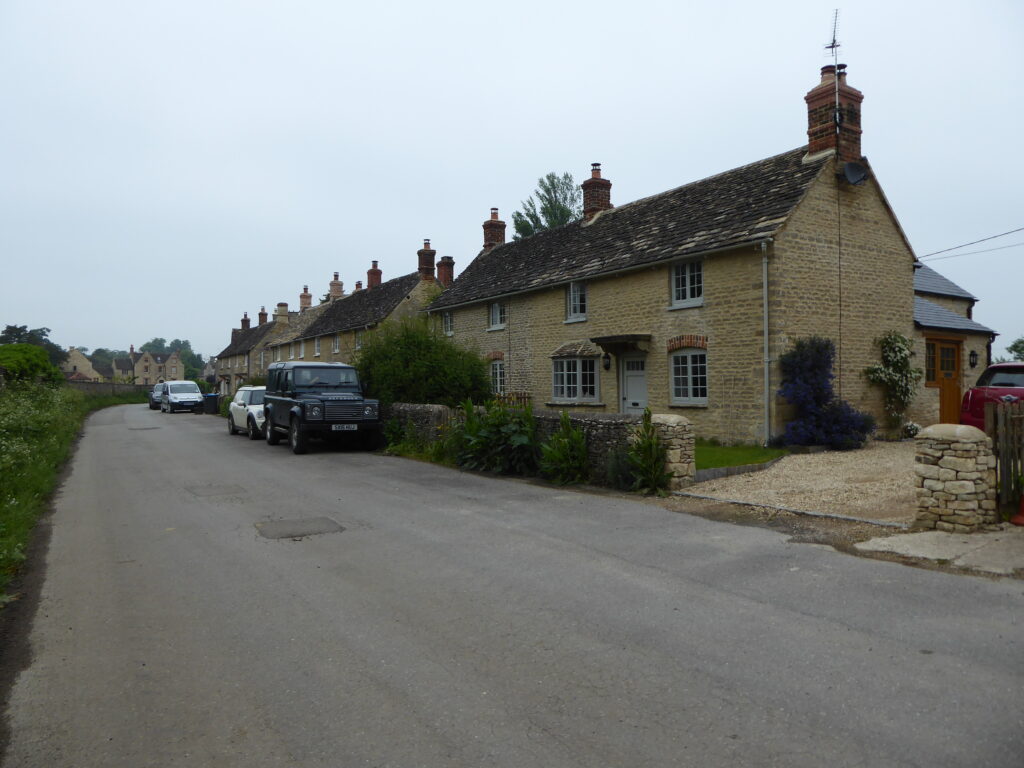
In 2004, Kate Moss bought a house in Little Faringdon, a Cotswolds village of about 30 homes, for a reported £2.5 million. Some 21 years later, in December 2025, she objected through a planning consultant to a neighbour’s proposed garden room, on the ground that its foul drainage was unclear in a village whose sewage system the Environment Agency has described as “no longer fit for purpose”.
The dispute turned on a single building. The objection, sent to West Oxfordshire District Council, left the proposed extensions to the neighbour’s house alone and took issue only with a garden room that was to contain an office, a gym and a bathroom.
The purchase figure comes from press reports rather than a checked Land Registry entry. The Evening Standard reported on 7 December 2025 that the model “has lived in Little Faringdon since buying her countryside home for £2.5 million in 2004”. The Oxford Mail gave the same figure and said she had been at the house for more than two decades.
A later Standard article, published on 18 March 2026 as a survey of her property from St John’s Wood to the Cotswolds, said she had bought the Little Faringdon house as a second home, in a village just outside Lechlade, and repeated the reported 2004 price of £2.5 million. The same piece described a Grade II-listed farmhouse in the Cotswolds where she now spends most of her time.
A village of about 30 homes
Little Faringdon has around 30 properties and is prone to flooding, according to the Environment Agency. Residents have long complained about the sewage system, which the Agency has described as “no longer fit for purpose” and regularly “overwhelmed” by surface and foul water.
Two residents, Pauline Rushton and Andrew Sumner, told The Telegraph: “The existing infrastructure is not in place for the existing village and certainly not for any expansion.”
Planning applications in the village are decided by West Oxfordshire District Council. One came from a neighbour, Mary Oakes, who bought her property for nearly £1 million in 2024, according to the Standard. The scheme covered single and two-storey rear extensions to the main house, together with a separate garden room holding an office, a gym and a bathroom.
The objection of December 2025
Moss, who was 51 at the time, did not write to the council herself. The objection was lodged on her behalf by Andrew Murphy of Stansgate Planning Consultants, whom she had hired to oppose the neighbour’s plans, the Oxford Mail reported.
It drew a line between the two parts of the application. “I have no comment regarding the proposed house extension. However, there is an objection to the proposed garden room,” the submission said.
The bathroom in the proposed outbuilding was the sticking point. “The proposed building has a bathroom. The means of foul drainage is unclear,” the objection said. Moss argued that the development would place further strain on the already struggling infrastructure, the Standard reported.
The submission also called the plans “harmful to the rural character of the area”. It said the outbuilding would stand close to boundary trees and hedging, raising concerns that “the root structure of existing landscaping” could be damaged.
Other neighbours objected as well.
What the council decided
After reviewing the objections, Mrs Oakes removed the garden room from her application. The remaining works, the single and two-storey rear extensions, were approved by West Oxfordshire District Council despite the objections from Moss and other residents, the Oxford Mail reported.
The Daily Mail reported the decision on 11 January 2026. By 18 March 2026 the Standard set out the same outcome, with the garden room taken out of the plans after the early objections and the rest of the works given consent by the local council.
The result split along the line the objection had drawn. The garden room with the bathroom came out of the application. The single and two-storey rear extensions, which the objection expressly did not contest, have permission.
Country houses bought by public figures are covered elsewhere on British Heritage, among them Jeremy Clarkson’s farm near Chipping Norton and Jamie Oliver’s Spains Hall in Essex.
The drainage question in Little Faringdon remains as the Environment Agency set it out, with a sewage system no longer fit for purpose and regularly overwhelmed by surface and foul water, in a village of around 30 properties that is prone to flooding.
Another celebrity country house covered by British Heritage is Madonna and Guy Ritchie’s Ashcombe House.