
The Dudley mansion where Robert Catesby was killed as the Gunpowder plotters made their last stand in November 1605 is on Historic England’s Heritage at Risk register, and the National Trust says it has no plans to acquire the Grade II* house
The Gunpowder Plot ended at Holbeche House in 1605, and the Grade II* mansion is now at risk, with the National Trust saying it has no plans to buy it.
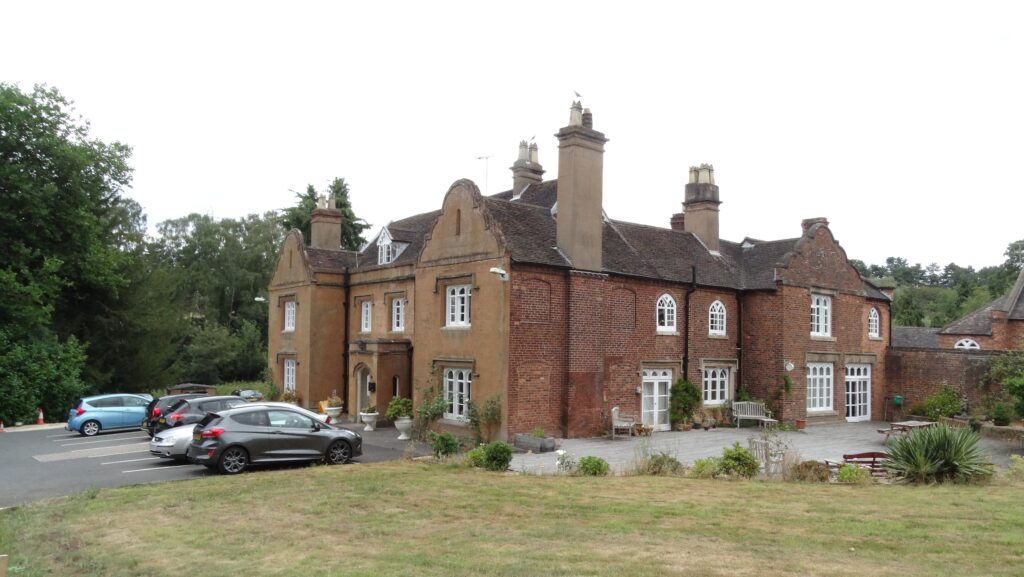
Holbeche House, the Black Country mansion where the Gunpowder Plot ended in November 1605, is not about to pass to the National Trust. The charity says it currently has no plans to acquire it, after readers of the Express & Star called for it to be saved for the public.
The house at Wall Heath, near Kingswinford in the Dudley borough, closed as a residential nursing home in 2022 and is on Historic England’s Heritage at Risk Register. Robert Catesby, who led the plot, was killed there during the siege that finished the conspiracy off.
A National Trust spokesperson told the paper: “As one of the country’s largest conservation organisations, the National Trust receives many calls to step in and save heritage and countryside under threat. We regularly assess opportunities to acquire land or properties to determine whether they support our charitable purpose of caring for nature, beauty and history on behalf of the nation. We use a set of guidelines to help us decide which opportunities we can consider. Holbeche House is Grade II* listed which means it is subject to regulations that protect its historical and architectural significance. As such, we currently have no plans to acquire the property.”
Where the plot ended
After the plan to blow up the House of Lords collapsed in London, a group of conspirators fled into the Midlands and took refuge at Holbeche House, then the home of Stephen Littleton. The official list entry records that Catesby was killed and others arrested at the house.
Most people meet the story through Guy Fawkes, caught beneath Parliament in the early hours of 5 November with the gunpowder. What happened at Holbeche days later rarely gets the same attention, and the Wall Heath house barely features when the fires are lit for Bonfire Night.
By the Express & Star‘s account of the siege, the fugitives’ gunpowder had been soaked by rain during their flight, and there was an explosion when they tried to dry it in front of the fire. The following morning 200 men led by Sheriff Richard Walsh surrounded the house. Littleton was later executed.
The official list entry, held by Historic England as number 1228293, dates the house to about 1600, “largely refaced in early C19”, and describes it as stucco, of two storeys plus attic. It was listed on 14 June 1951 at Grade II*, the second-highest grade. The entry says the house “is directly associated with the Gunpowder Plot” and was “the last refuge of the conspirators”.
Readers want a museum
Readers of the Express & Star have been pressing for the mansion to be opened to the public instead. “It should become a museum,” wrote Frank Martin. Others calling for the house to be saved included Benjamin-Hugh John-Paul Mackay, Lauren Tipper and Darren Westwood. Paul Mills said his father had been a resident when it was still a care home.
One reader, Sue Emms, compared the mansion’s position with that of the Crooked House, the tilting pub near Himley that was gutted by fire and demolished in August 2023.
Holbeche House keeps a good deal of what makes it worth arguing over. The paper lists oak panelling, fireplaces and original doors believed to bear the scars of the 1605 confrontation. The earlier of its two reports says the building was placed on the Heritage at Risk Register in 2023, the year after the nursing home closed.
An office plan awaiting a decision
There is a proposal on the table, and it is not a museum. Two applications sit with Dudley Council. P25/1477 seeks full planning permission to change the use of the vacant care home to offices, with external restoration work and the demolition of a link building. P25/1472 seeks listed building consent for the same works, with amended plans. Both were received on 5 December 2025 and validated on 23 February 2026, and both were still awaiting a decision on the Dudley register on 15 November.
The applicant is Select Health Care, the Dudley-based group that runs 21 care homes, mostly in the West Midlands, and wants to turn the mansion into its head office, as the Express & Star reported when the scheme was first lodged.
Architect Neil Ranford, of NCR Architectural Design, said in a statement supporting the application that damage to the masonry and the front door was believed to have been caused by musket fire during the final siege, the paper reported. In his own words, “it is understood the front door and walls hold evidence of shots fired from a matchlock musket”. That reading of the marks has not been established as fact.
Historic England, asked about the building’s future, said: “The property is currently in the process of obtaining planning permission to be converted into an office.” The body confirmed it had raised no objections to the applications on heritage grounds, which leaves the decision with Dudley Council.