
In 1930, Vita Sackville-West paid £12,375 for a ruined Kent castle that had sat unsold for two years, with no running water, electricity or heating; she and her husband turned its junk-filled grounds into one of the most famous gardens in England
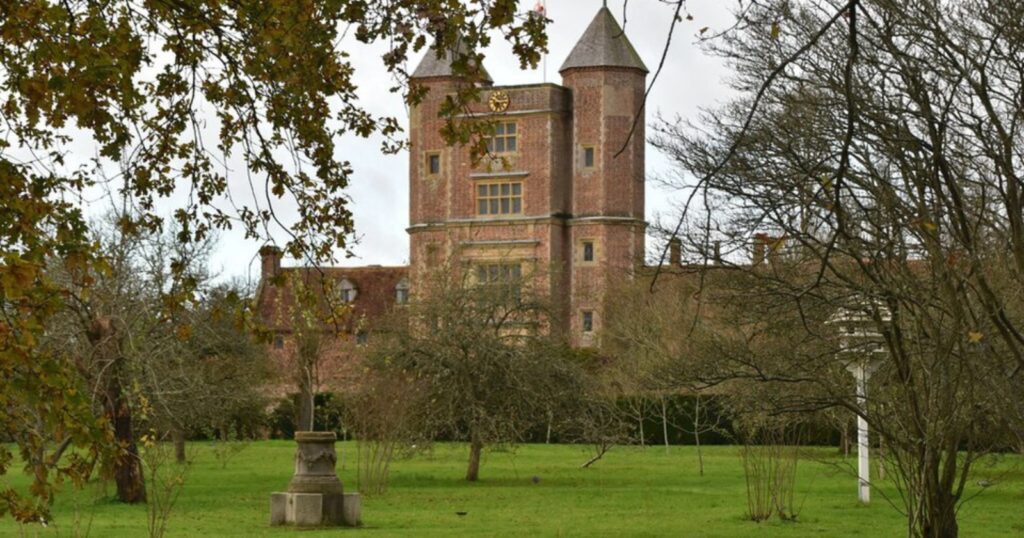
On a rainy day in April 1930, Vita Sackville-West walked through a collection of crumbling brick buildings in the Kent countryside. There were broken windows, missing doors and animals living in some of the rooms. The grounds were piled with rubbish, from old sardine tins to cabbage stalks and rusty bedsteads.
Her teenage son thought the place was impossible. Vita saw something else entirely. She later described falling in love with it at first sight.
A ruin with a royal past
Sissinghurst Castle wasn’t really a castle. It was the remains of a grand Tudor and Elizabethan house, built by the Baker family in the 16th century. In its heyday, it was large enough to host Queen Elizabeth I for three nights in 1573.
Over the following centuries, it fell on hard times. During the Seven Years’ War in the 1750s, it was used to hold French prisoners of war, who did serious damage. Later, parts of it became a workhouse, and by the early 20th century, it was a run-down farmstead. Much of the original house had been demolished.
Two years without a buyer
In 1928, Sissinghurst was put up for sale. Nobody wanted it, and it remained unsold for two years.
That changed in 1930. Vita and her husband, the diplomat and writer Harold Nicolson, were looking for a new home after development threatened their house at Long Barn, near Sevenoaks. Their offer was accepted in May, and Vita bought the castle and the farm around it, about 450 acres in all, for £12,375, using her own money.
A family connection
For Vita, Sissinghurst felt like destiny. She had grown up at Knole, the vast Sackville family seat in Kent, but as a woman, she couldn’t inherit it. When her father died in 1928, Knole passed to her uncle.
Sissinghurst had an old link to her family. In the 16th century, a daughter of the house had married Thomas Sackville, one of Vita’s ancestors. Buying it gave her a home with roots in her family’s history.
Starting from nothing
The buildings were almost uninhabitable. There was no electricity or drainage, and water came only from wells. Vita and Harold lived in separate buildings around the site, a habit they kept for the rest of their lives.
Clearing the grounds took years. Little was growing there, apart from a few old fruit and nut trees. But the old walls, towers and the remains of a moat gave them a strong framework to work with.
His design, her planting
The garden that emerged was a partnership. Harold, who loved order, designed its structure: long straight walks, clipped hedges and a series of enclosed spaces, often called garden “rooms,” each with its own character.
Vita filled those rooms with abundant, romantic planting. She grew around 200 varieties of roses, along with masses of other flowers and shrubs. Her famous description of the style called for generous, even extravagant planting within a strict, orderly layout.
The White Garden and beyond
The best-known part of Sissinghurst is the White Garden, planted from around 1950 with white, silver and green plants. It’s one of the most copied gardens in the world. Other highlights include the Rose Garden, the Cottage Garden in reds, oranges and yellows, and the Nuttery.
The garden opened to visitors in the late 1930s, and Vita nicknamed paying visitors “shillingses,” after the one-shilling entry fee. She also wrote a popular gardening column in The Observer for many years, which spread her ideas to gardeners across Britain.
Visiting Sissinghurst today
Vita died in 1962. In 1967, the estate passed to the National Trust, which now looks after the house and garden. Visitors can climb the Tower for views across the garden and the Kent countryside, and see Vita’s writing room, kept much as she left it.
The garden is usually at its best from late spring to early autumn. June is often the most popular month, when the roses are in full bloom.