
In 2013, Rod Stewart waited for the price to drop from £5 million before paying £4.65 million for Durrington House, an 18th-century Essex mansion, and the council later let him build a football pitch but refused him floodlights
Rod Stewart paid £4.65 million for Durrington House in 2013 after the price fell from £5 million, and in 2016 won a pitch but lost the floodlights.
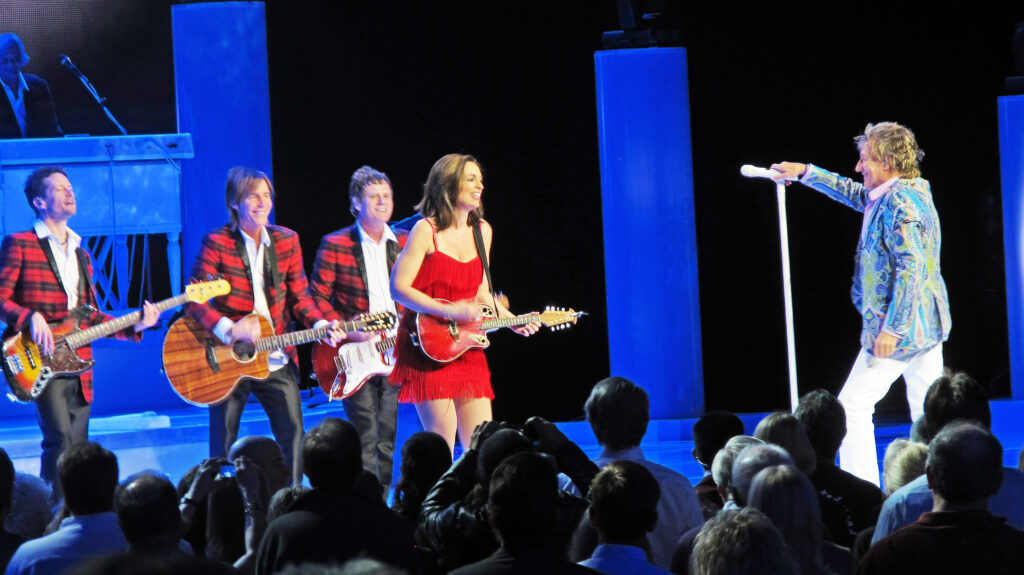
Rod Stewart bought Durrington House, a ten-bedroom 18th-century mansion on the edge of Epping Forest in Essex, for £4.65 million in 2013, after waiting for the asking price to come down from £5 million.
Three years later, in January 2016, Epping Forest District Council gave him permission to lay a five-a-side football pitch in the grounds of the Grade II-listed house, and refused the floodlights he wanted to go with it.
The purchase was written up in early May 2013. “He waited until the price dropped from £5million before making his move,” the Daily Record said. Richard Kay, in the Daily Mail, wrote that the singer was “understood to have made his move after the price of the property dropped from £5 million to £4.65 million”.
The house on the edge of Epping Forest
Durrington House stands at Sheering, near Harlow, on the edge of Epping Forest. It had earlier belonged to the Glyn, Goschen and Hambro banking families. The grounds hold a rose garden, a croquet lawn, an ornamental pond and guest cottages.
Kay wrote that the ten bedrooms date back to 1712 and overlook a lake set in 46 acres of pastures and ancient woodland. Council officers, assessing the pitch application three years later, described the building as a mid-18th century house.
Stewart was 68 when he bought it. The Daily Record said he was believed to have made £20 million from touring the previous year and to be worth £120 million, and that the house is 11 miles from Stansted airport and half an hour from London City airport, convenient for trips north to watch Celtic and Scotland. Kay wrote that a 35-date tour the previous year was said to have netted him £20 million.
It was not his first Essex house. Stewart already owned Wood House, a seven-bedroom mansion once owned by Winston Churchill, with a full-sized football pitch in the grounds. The Daily Record and Kay both put Durrington House about 30 miles from Wood House; a later Telegraph account of the pitch decision said the two were a few miles apart. The Daily Record also said the new house is a few miles from Beckingham Palace, the former home of David and Victoria Beckham.
Georgian and early Georgian country houses have drawn British rock musicians of Stewart’s generation for decades. In 1971 Ronnie Wood bought a 1775 Georgian mansion on Richmond Hill from the actor Sir John Mills. In 1990, Sting and Trudie Styler paid a reported £7 million for Lake House, a Grade I-listed Wiltshire manor.
A pitch approved, floodlights refused
The 2016 application covered a 3G-turfed five-a-side pitch measuring 50m by 31m, with a 20-space car park beside it, fencing and trees. Epping Forest District Council approved the pitch and rejected the floodlights, which Stewart had wanted so that matches could be played at night.
Officials said the lights were not appropriate next to the historic Grade II listed property, and that evening matches could be a noise nuisance for neighbours.
In a written report, council officers said: “The artificial surface is an incongruous addition within the grounds of a mid-18th century house, however, the existing screening provided and hedging trees and the proposal to supplement these with additional native species will minimise views of the pitch and diminish the harm caused to the settings of the buildings.”
On noise, the officers said: “There would inevitably be some level of noise emanating from the use of the pitch especially if two teams were to play with family and friends spectating.” They added: “However, without the floodlighting it wouldn’t be able to be used late into the evening for much of the year and any noise nuisance can be dealt with under separate environmental health legislation.”
The pitch itself drew no opposition from officers, who said: “There are no objections in principle. A larger proposal was approved at the previous property that the applicant owned and the difference between the artificial turf and natural grass is not considered unacceptable.”
The decision was reported on 19 January 2016 by the Telegraph, which placed the house at Sheering, and by Stuart Macdonald in the Mirror, which gave the address as Harlow.
The pitch formed part of a wider renovation programme at Durrington House. Permission had already been granted for new entrance gates, doors, windows and a breakfast wing.
Football in the grounds
Stewart, 71 at the time of the ruling, had given up regular matches because of knee injuries. The Mirror said he still liked a kickabout with his sons Alastair, then 10, and Aiden, then four.
The pitch at Wood House has had serious use. The Celtic squad once trained there when Gordon Strachan, a friend of Stewart’s, was manager at Parkhead.
Coverage of the 2016 decision described Durrington House as a £5 million mansion, a rounded figure. The price Stewart paid in 2013, after the asking price came down, was £4.65 million.