
In 1993, Ozzy and Sharon Osbourne bought a Victorian mansion in Buckinghamshire that had once been owned by a London hospital for the mentally ill and later by an Oscar-winning special effects director; 32 years later, Ozzy was buried in its grounds
On 30 July 2025, a funeral procession wound through Birmingham, the city where Ozzy Osbourne grew up. Thousands of fans lined the streets as his coffin passed along Broad Street and over the Black Sabbath Bridge.
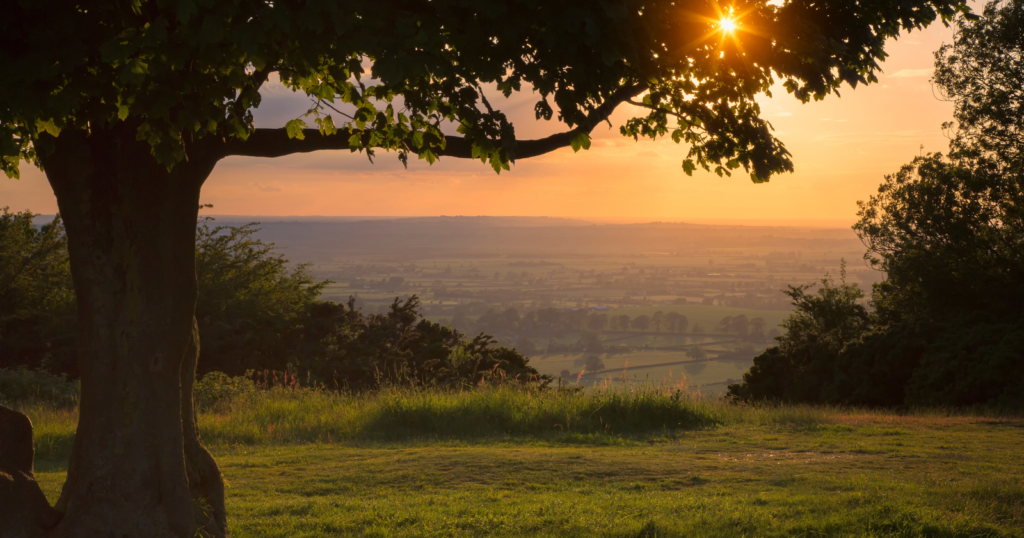
Later that day, far from the crowds, the singer was laid to rest in private, beside a lake in the grounds of his family home in the Buckinghamshire countryside. The house had been his English base for more than three decades, and it had a long and surprising history of its own.
A house built for a politician
Welders House stands near the village of Jordans, in the Chiltern Hills about 25 miles northwest of London. It was built in 1898 and 1899 for Charles Thomson Ritchie, a Conservative politician who later became Chancellor of the Exchequer.
The house was designed by Ritchie’s son-in-law, the architect Mervyn Macartney, in the Jacobethan style, a revival of English architecture from the late Tudor and early Stuart years. It’s now Grade II listed, meaning it is protected as a building of special interest.
A hospital’s country retreat
In 1910, the governors of St Luke’s Hospital for Lunatics in London bought Welders House, along with a 100-acre estate. St Luke’s was one of London’s oldest hospitals for people with mental illness, founded in 1751.
From 1911 to 1916, the house served as a convalescent home for women recovering from what the hospital called mild nervous illnesses. The quiet countryside was thought to help patients recover. Over the following years, the hospital bought more surrounding land, including an orchard, fields and woodland, and continued to use parts of the estate until the 1940s.
A Quaker neighbourhood
Welders sits in an area with a remarkable history. The nearby Jordans Meeting House, built in 1688, is one of the oldest Quaker meeting houses in the country. William Penn, the founder of Pennsylvania, is buried in its graveyard.
The village of Jordans itself was built in the early 20th century by Quakers on land that had once been part of the Welders estate. Nearby stands the Mayflower Barn, said to be built from timbers of the ship that carried the Pilgrims to America, though this story is debated.
From special effects to heavy metal
In the 1980s, Welders House belonged to John Stears, a British special effects pioneer. Stears won two Academy Awards, for the James Bond film Thunderball in 1965 and for Star Wars in 1977. He built some of cinema’s best-known gadgets, including James Bond’s Aston Martin DB5 and the original R2-D2.
In 1993, Stears sold the house to Ozzy and Sharon Osbourne. Sharon has said one of its attractions was how far it was from the nearest pub, as she hoped it would help Ozzy stay away from drink. The family spent years between Buckinghamshire and Los Angeles, where they filmed their hit reality TV show The Osbournes in the early 2000s.
Coming home
In 2022, the Osbournes announced they were leaving Los Angeles to live full time at Welders House. Ozzy, by then in his seventies and living with Parkinson’s disease, said he wanted to come home to England.
On 5 July 2025, he gave his final performance with Black Sabbath at Villa Park in Birmingham, in a farewell concert called Back to the Beginning. Seventeen days later, on 22 July, he died at home, aged 76, surrounded by his family.
A final resting place
Ozzy was buried in a private ceremony in the grounds of Welders House, near the lake. The family has kept the location private, and the estate is not open to the public.
Over almost 130 years, the house has been a politician’s country home, a place of rest for hospital patients, a special effects legend’s estate and the home of the man known as the Prince of Darkness. Now it is also his grave, in the quiet Buckinghamshire countryside he chose to come home to.