
Tag: Romans
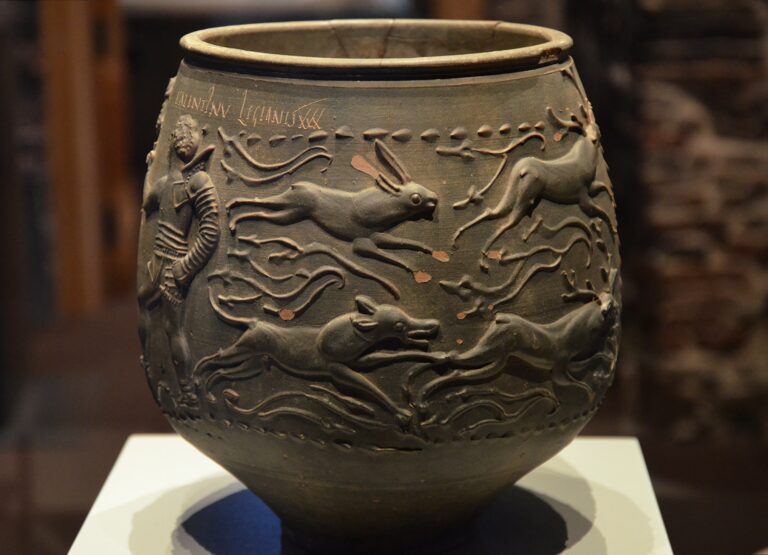 HistoryThe man buried inside the Colchester Vase, the Roman pot decorated with gladiators and animal hunts, had Mediterranean origins, say scientists studying Britain’s first Roman capital, and he may have trained fighters or paid for the gamesA Durham University study of 22 cremations at Camulodunum finds three people raised in the Mediterranean, and Mediterranean origins for the man in the vase.
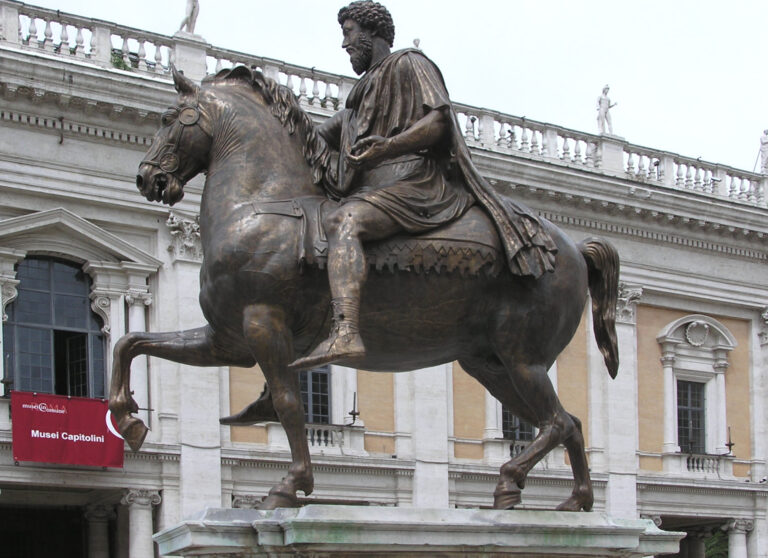 HistoryA bronze leg pulled from a bog at Milsington near Hawick in 1820 was long taken for loot, but experts now believe it came from a gilded statue of the emperor Antoninus Pius on horseback put up in southern Scotland about AD 140A bronze leg found in a bog near Hawick in 1820 was long thought to be loot. Experts now believe it came from a gilded statue of Antoninus Pius.
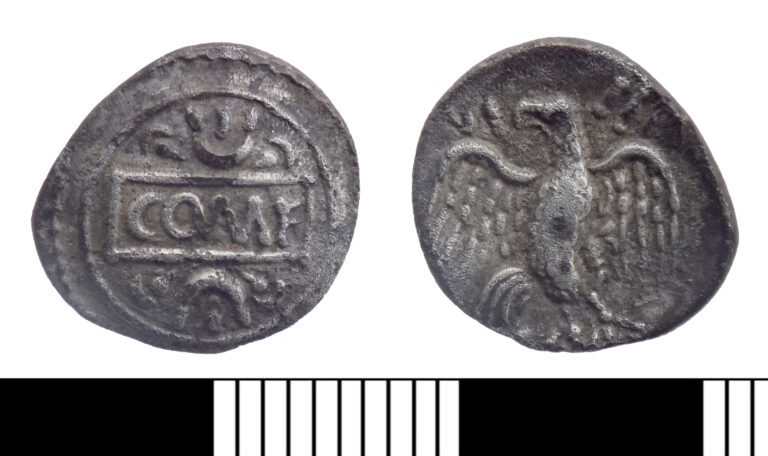 HistoryMiles Russell of Bournemouth University argues that Verica, the Atrebates ruler who fled to Claudius and persuaded him to invade Britain in AD 43, was a woman, citing a name ending like Cartimandua’s and Boudica’sBournemouth University's Miles Russell argues the Atrebates ruler Verica, who urged Claudius to invade Britain in AD 43, was a woman, but others disagree.
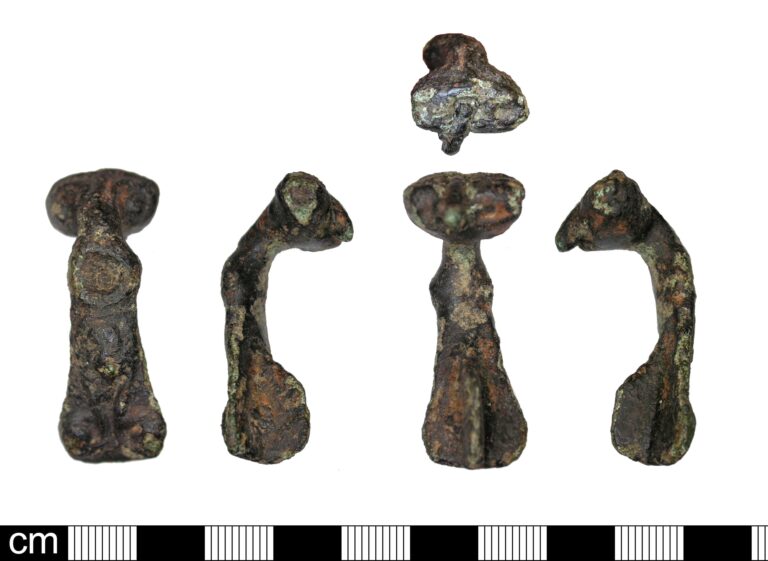 HistoryAhead of 300 new homes at Mancot in Flintshire, archaeologists found a 2,000-year-old Romano-British settlement overlooking Chester, with casting moulds and an unusually large group of brooches the inhabitants appear to have made on siteHeneb says excavation before 300 homes at Mancot, Flintshire, found a Romano-British settlement with casting moulds and brooches made on site.
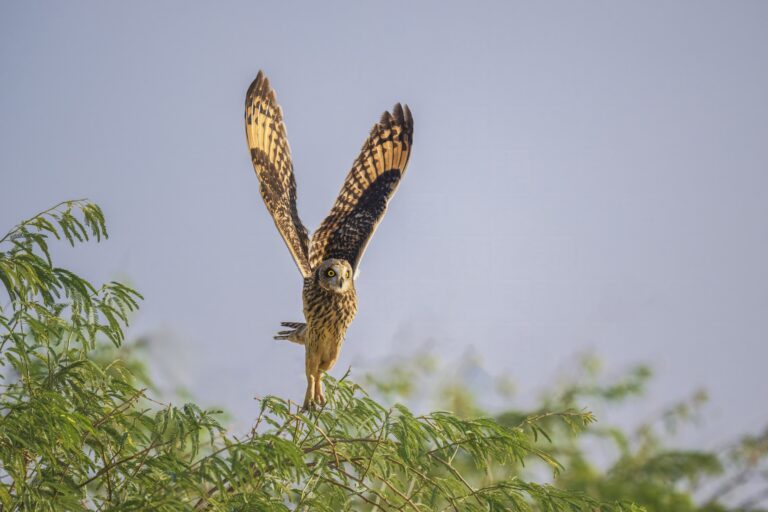 HistoryRoughly 8,000 frog bones filled a single Roman ditch found on the A14 Cambridge to Huntingdon road scheme, and the damage on them points to birds of prey, most likely short-eared owls and hen harriersRoughly 8,000 frog bones from one ditch on the A14 Cambridge to Huntingdon scheme were eaten by birds of prey, most likely short-eared owls and hen harriers.
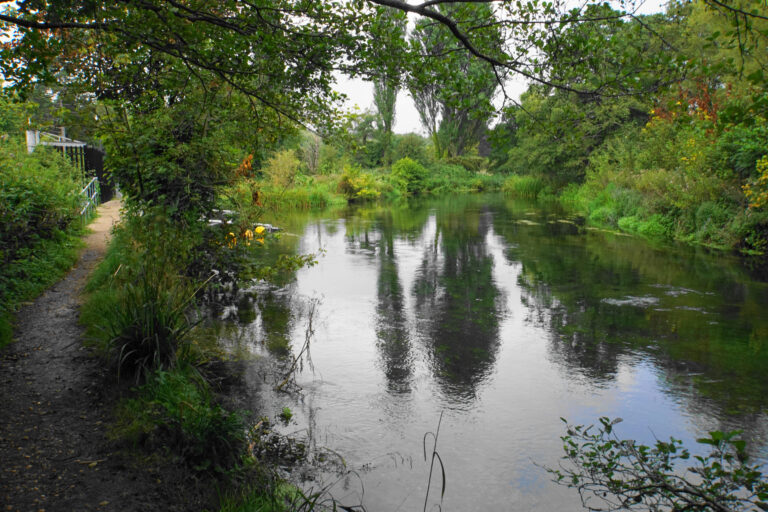 HistoryBefore a new Southern Water pipe could be laid between Otterbourne and Southampton, UCL archaeologists dug the route and found five wooden wells still sunk into a natural spring; one was built between 719 and 396 BC.UCL archaeologists digging the route of a Southern Water pipe near Otterbourne found five wooden wells at a spring, one radiocarbon dated to 719-396 BC.
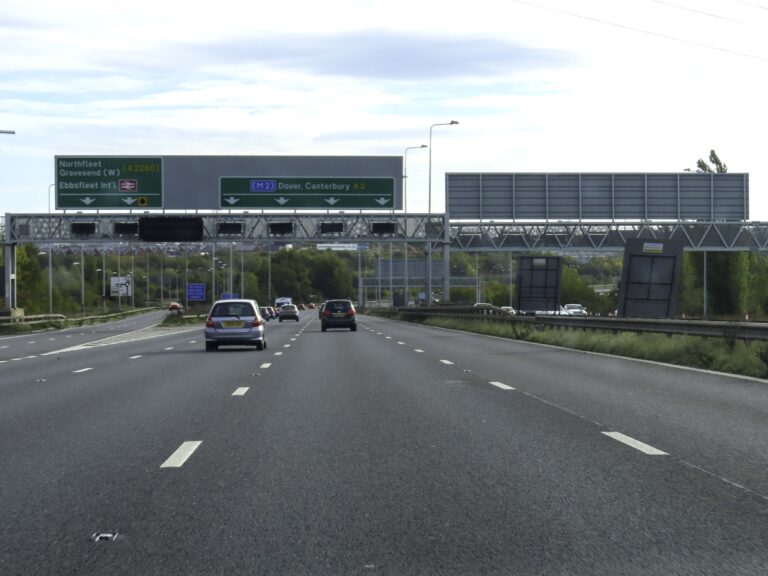 HistoryRevealed: The 447 Roman coins a digger broke out of the A2 near Gravesend in 1964, hidden around AD 388 and saved by local historians on their knees, as 114 of them sell in Mayfair for £23,240 against a top estimate of £15,000A digger hit a pot of Roman silver beside the A2 in 1964. Sixty-two years on, 114 of the 447 Springhead coins made a hammer £23,240 at Noonans, Mayfair.
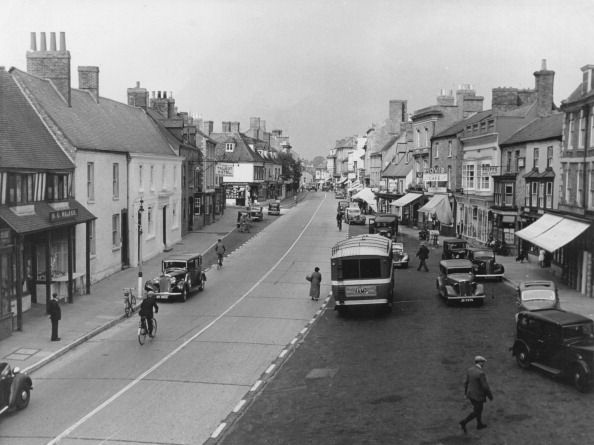 TravelFrom Roman legions to Land Rovers, one writer’s journey along Watling StreetA journalist retraces the ancient road that once carried Roman soldiers and still carries travelers from the Kent coast to the Welsh borderlands today.