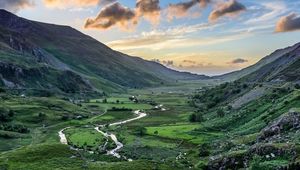
St David’s earns its city status from a 12th century cathedral rather than its size, and it sits roughly halfway along a coastal road trip that runs from the Severn crossing to Anglesey.
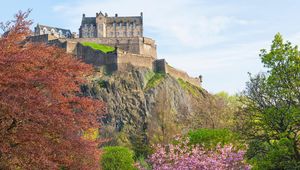
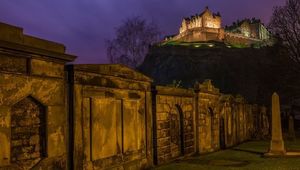
With Halloween under three weeks away, Auld Reekie offers a headless drummer at the castle, a prison site locals still spit on and a buried street you can only see by tour.
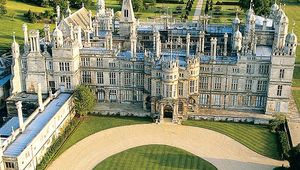
William Cecil’s house holds 115 rooms under three quarters of an acre of roof, and the public circuit alone runs to more than a quarter of a mile.
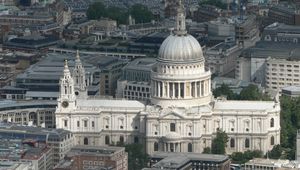
Christopher Wren, born 394 years ago next Tuesday, had studied science and astronomy rather than architecture when he was handed 51 churches and a cathedral to build.
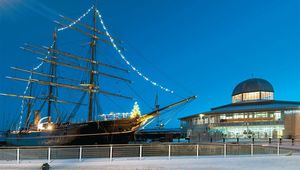
Raleigh’s scaffold pipe, Livingstone’s red shirt and a full size replica of the ship John Cabot sailed to Newfoundland are all sitting somewhere in Britain waiting to be visited.
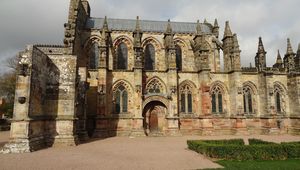
Five centuries of folklore have gathered around a small unfinished church seven miles south of Edinburgh, and Dan Brown only added to the pile.
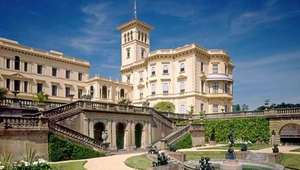
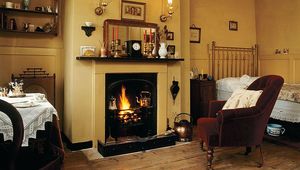
The Isle of Wight villa the royal couple built with their own money has been left exactly as it stood on the January morning in 1901 when the Queen died in it.
The Wayfarer's Dole has been handed out at the Hospital of St Cross for centuries, and the ale these days is a London Pride donated by Fuller's.
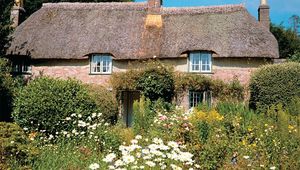
Michael Henchard's house on South Street is a branch of Barclays now, but the King's Arms still pours and the Maumbury Rings still swallow the noise of the traffic.
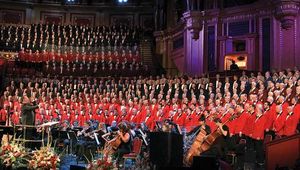
Born in the chapels and coalfields of the 19th century, the choirs of the Land of Song are now chasing younger recruits while welcoming curious visitors through the door.
With the festival crowds gone and Auld Reekie settling into its quieter months, Scotland's capital rewards anyone willing to climb its hills on foot.
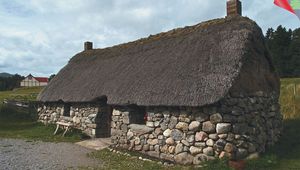
The Highland Folk Museum recreates three centuries of Scottish rural life on an open air site where every building is either an original or an exact period replica, and admission costs nothing.