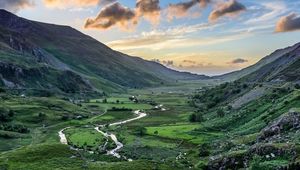
St David’s earns its city status from a 12th century cathedral rather than its size, and it sits roughly halfway along a coastal road trip that runs from the Severn crossing to Anglesey.
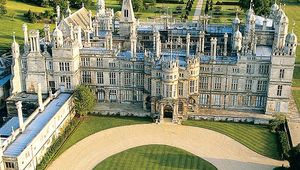
William Cecil’s house holds 115 rooms under three quarters of an acre of roof, and the public circuit alone runs to more than a quarter of a mile.
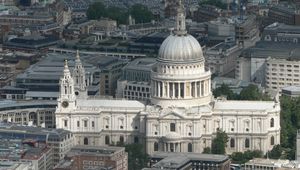
Christopher Wren, born 394 years ago next Tuesday, had studied science and astronomy rather than architecture when he was handed 51 churches and a cathedral to build.
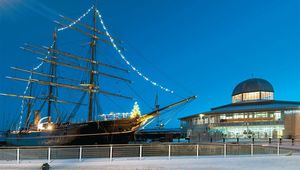
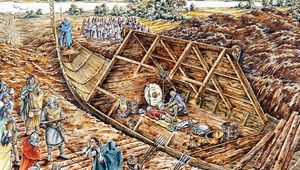
Raleigh’s scaffold pipe, Livingstone’s red shirt and a full size replica of the ship John Cabot sailed to Newfoundland are all sitting somewhere in Britain waiting to be visited.
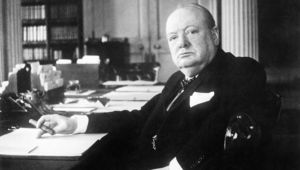
"Never in the field of human conflict was so much owed by so many to so few."
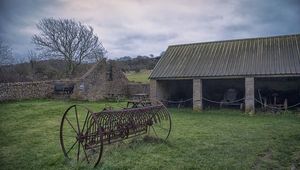
From a Yorkshire village cleared out for sheep around 1500 to a Welsh slate valley that fell silent in the 1940s, here are five corners of Britain where nobody lives.
From the shires and the boroughs to the names of half the towns on the map, the six centuries between Rome leaving and William arriving are still underfoot.
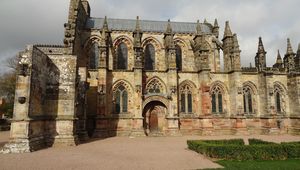
Five centuries of folklore have gathered around a small unfinished church seven miles south of Edinburgh, and Dan Brown only added to the pile.
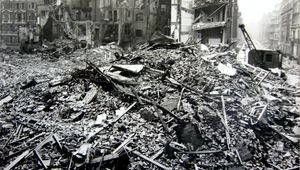
Joan MacKenzie went from fire-watching on a Shell Oil roof to plotting Fighter Command’s aircraft at North Weald, and she was on shift when the first V-1 crossed the coast.
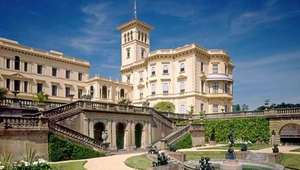
The Isle of Wight villa the royal couple built with their own money has been left exactly as it stood on the January morning in 1901 when the Queen died in it.
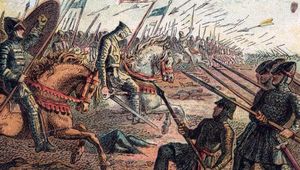
Wednesday marks 960 years since the Battle of Hastings, the single October day that swept away Anglo -Saxon rule and remade England in Norman stone.
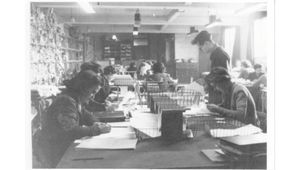
Ruth Bourne was 18 when the Navy sent her to a windowless room full of Bombe machines and told her never to ask what the work meant.